
Cajun Seasoning Recipe
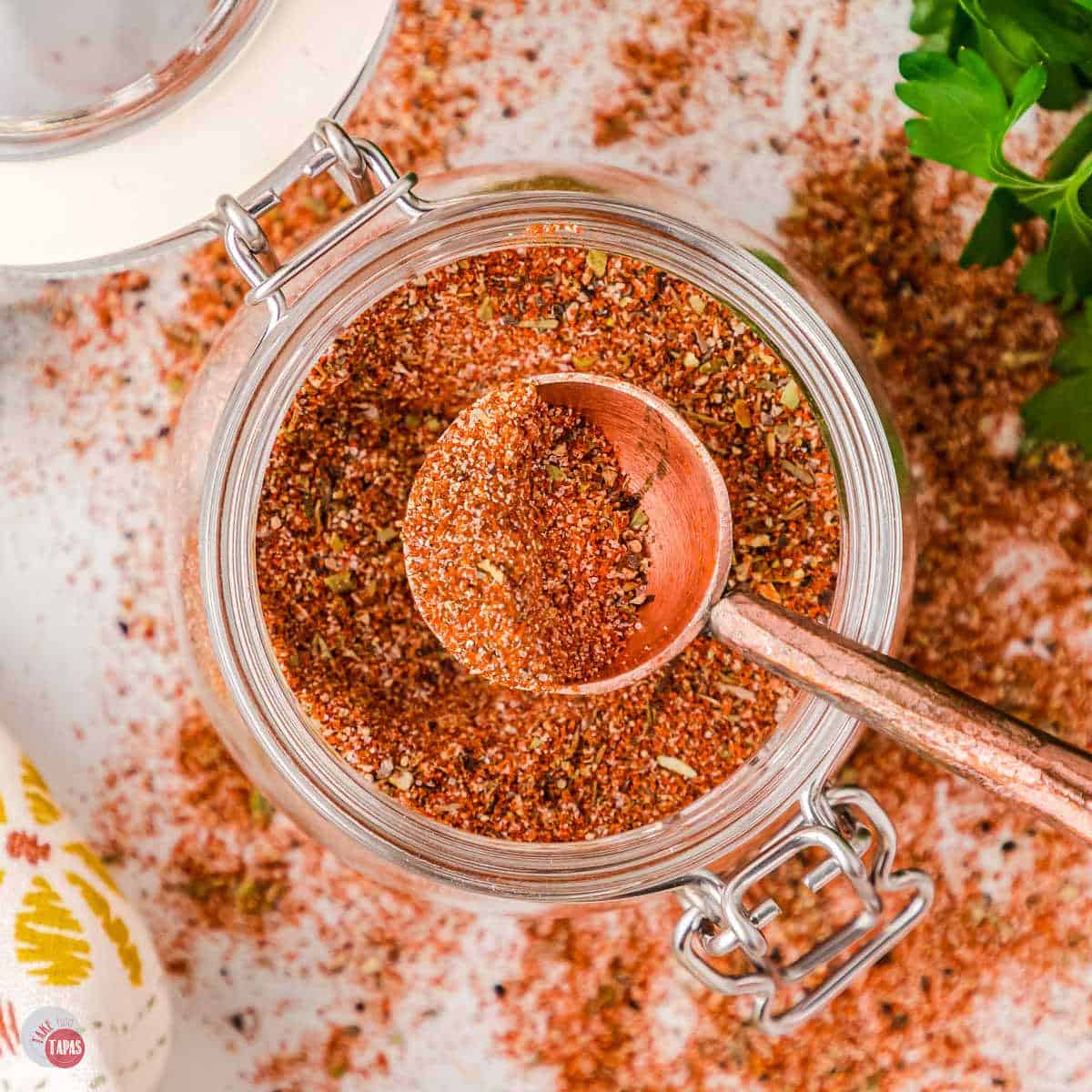
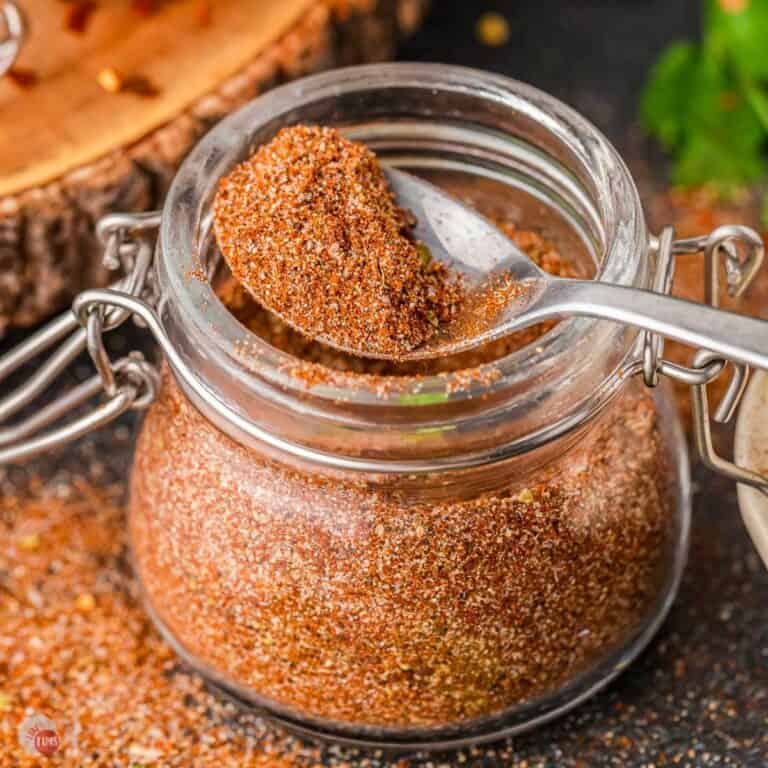
Homemade Cajun Seasoning is a bold, balanced blend of paprika, cayenne, garlic powder, onion powder, oregano, thyme, pepper, and crushed red pepper flakes that comes together in five minutes. This recipe uses a 1:6 ratio of cayenne to paprika so the heat enhances the food instead of overpowering it. Use it on chicken, shrimp, fries, dips, and anything that needs a Louisiana-inspired flavor boost. Keeps for six months in an airtight jar.
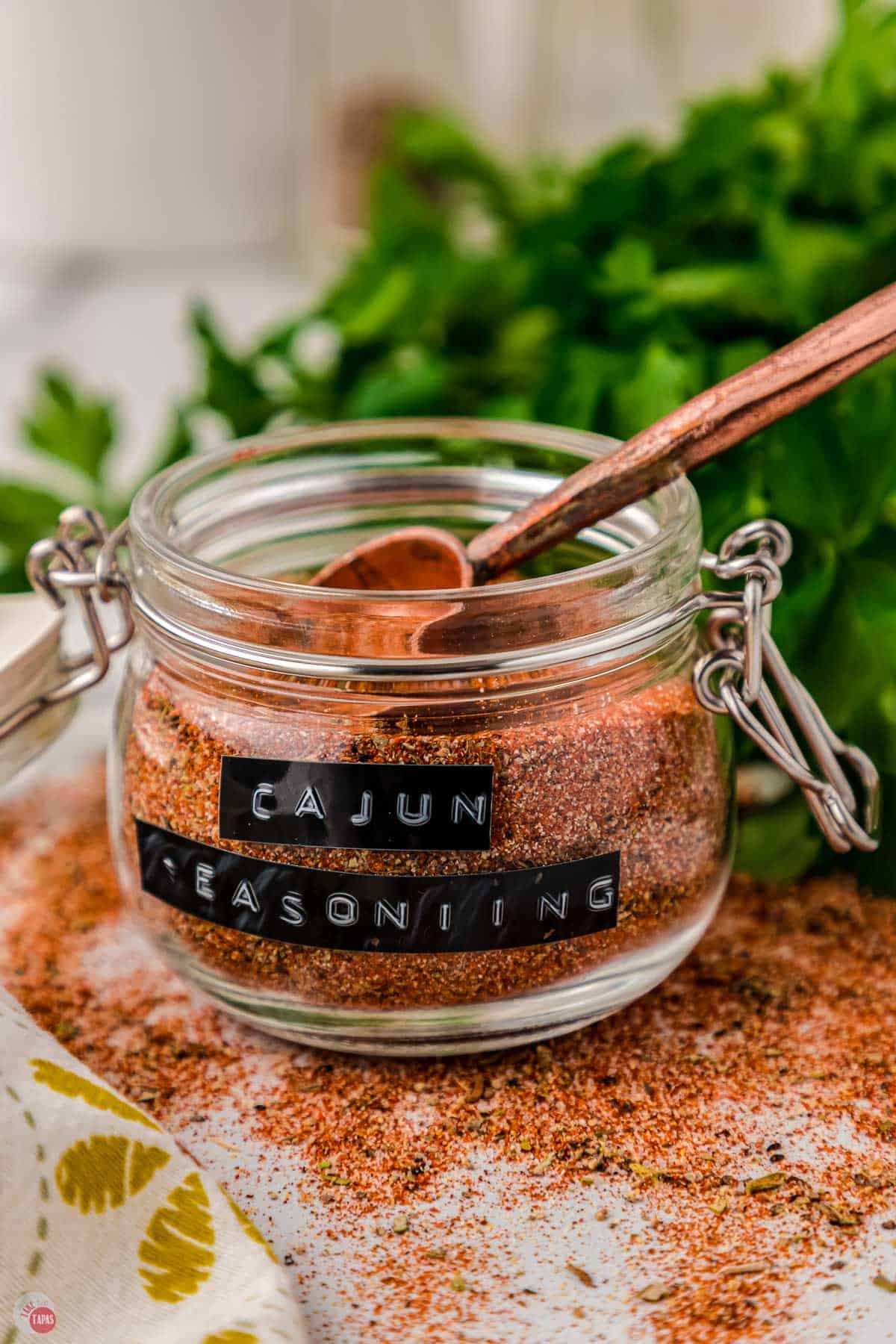
Most cajun seasoning recipes lean so hard on cayenne that the heat burns out your taste buds before you can taste anything else.
This version is built differently. The cayenne to paprika ratio is 1:6 – enough heat to know it is there, not so much that it is all you can taste. The result is a blend that actually lets the food come through, which is the whole point of a good seasoning.
It goes into Boudin dip, Cajun fries, Blackened Chicken Caesar Salad, and Swamp Soup, and it works on everything from chicken breasts to roasted corn to Popcorn Shrimp.
The whole blend takes five minutes and uses spices you almost certainly already have. No smoked paprika, no specialty ingredients, just a straightforward balanced blend that delivers real cajun flavor without the afterburn.
Once you make it you will understand why the store-bought version feels like a shortcut that is not worth taking.
Related Seasonings
- Buttermilk Ranch Seasoning – tangy buttermilk twist on classic ranch
- Ranch Seasoning – classic herby blend with dill and garlic
- Italian Seasoning – versatile savory blend perfect for pasta and sauces
- BBQ Seasoning – sweet smoky all purpose grill seasoning
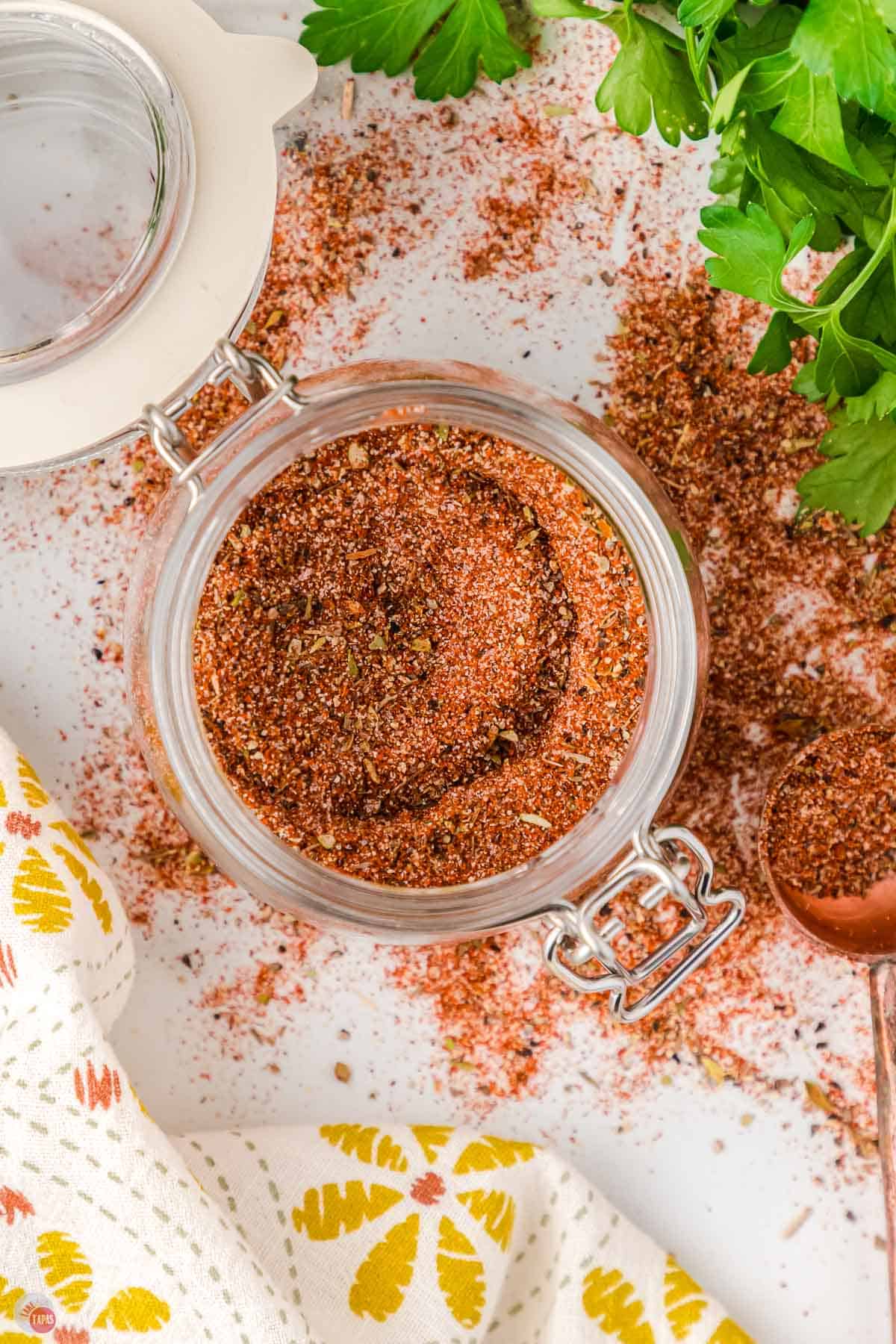
What Is Cajun Seasoning?
Cajun seasoning is a spice blend that originated in Louisiana with the Cajun people (French Canadians that settled in the bayou regions of the American South) who developed a bold, rustic cooking style built around big flavors and local ingredients.
The blend typically combines paprika, cayenne, garlic, onion, and dried herbs and is used to season everything from seafood and chicken to rice dishes and vegetables.
Every family and every cook has their own version. The ratio of heat to paprika is what separates them – and it makes a bigger difference than most people realize.
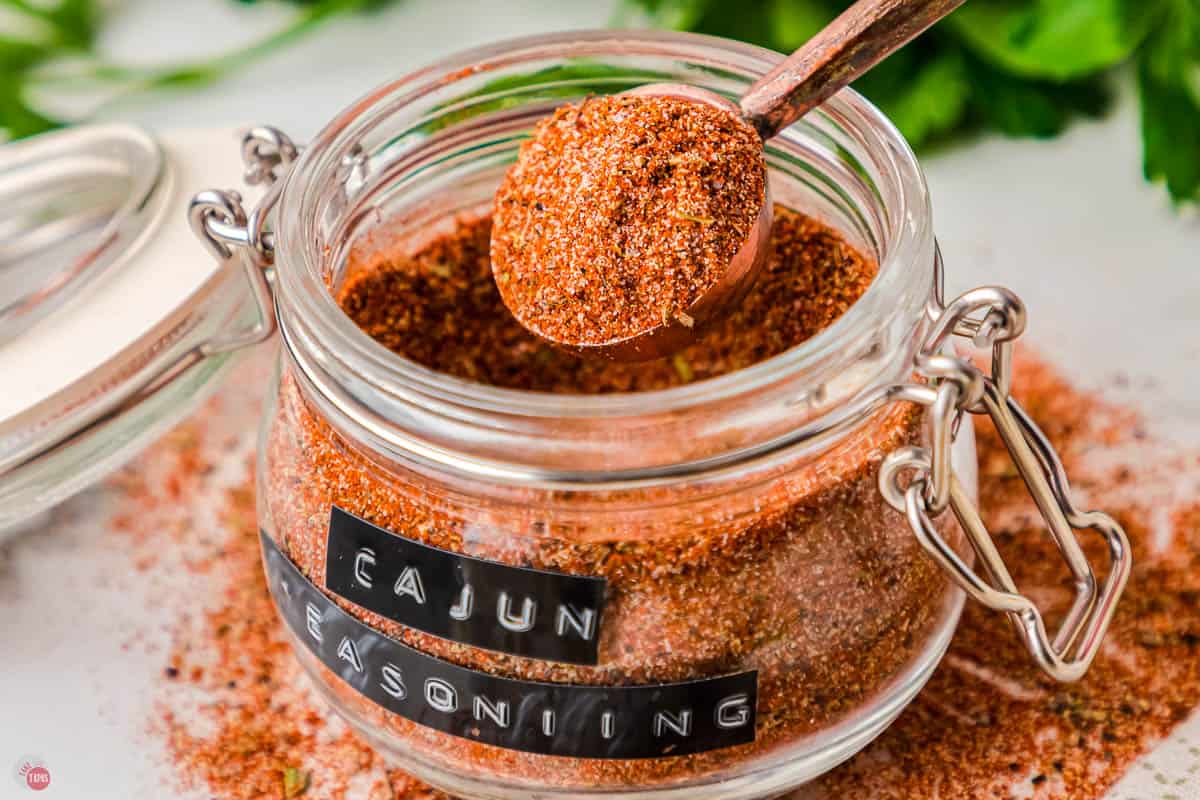
Cajun Seasoning vs Creole Seasoning
These two get mixed up constantly but they are actually different blends with different flavor profiles.
Cajun seasoning is built on peppers – paprika and cayenne are the backbone and the other spices support them. It is direct, bold, and heat forward.
Creole seasoning leans more heavily on herbs – oregano, thyme, basil, and bay leaf give it a more floral, complex flavor with the heat in the background.
Which one is spicier? Cajun, generally speaking. The pepper-forward base means the heat is more upfront. Creole seasoning tends to be more nuanced and slightly milder because the herbs soften the overall profile.
Can you substitute one for the other? In a pinch yes, but the flavor will be noticeably different. Cajun seasoning on a dish designed for creole will taste more aggressively spiced. Creole seasoning in a cajun recipe will taste more herby and less punchy.
This post may contain affiliate links. As an Amazon Associate, I earn from qualifying purchases at no additional cost to you. Read my disclosure policy.
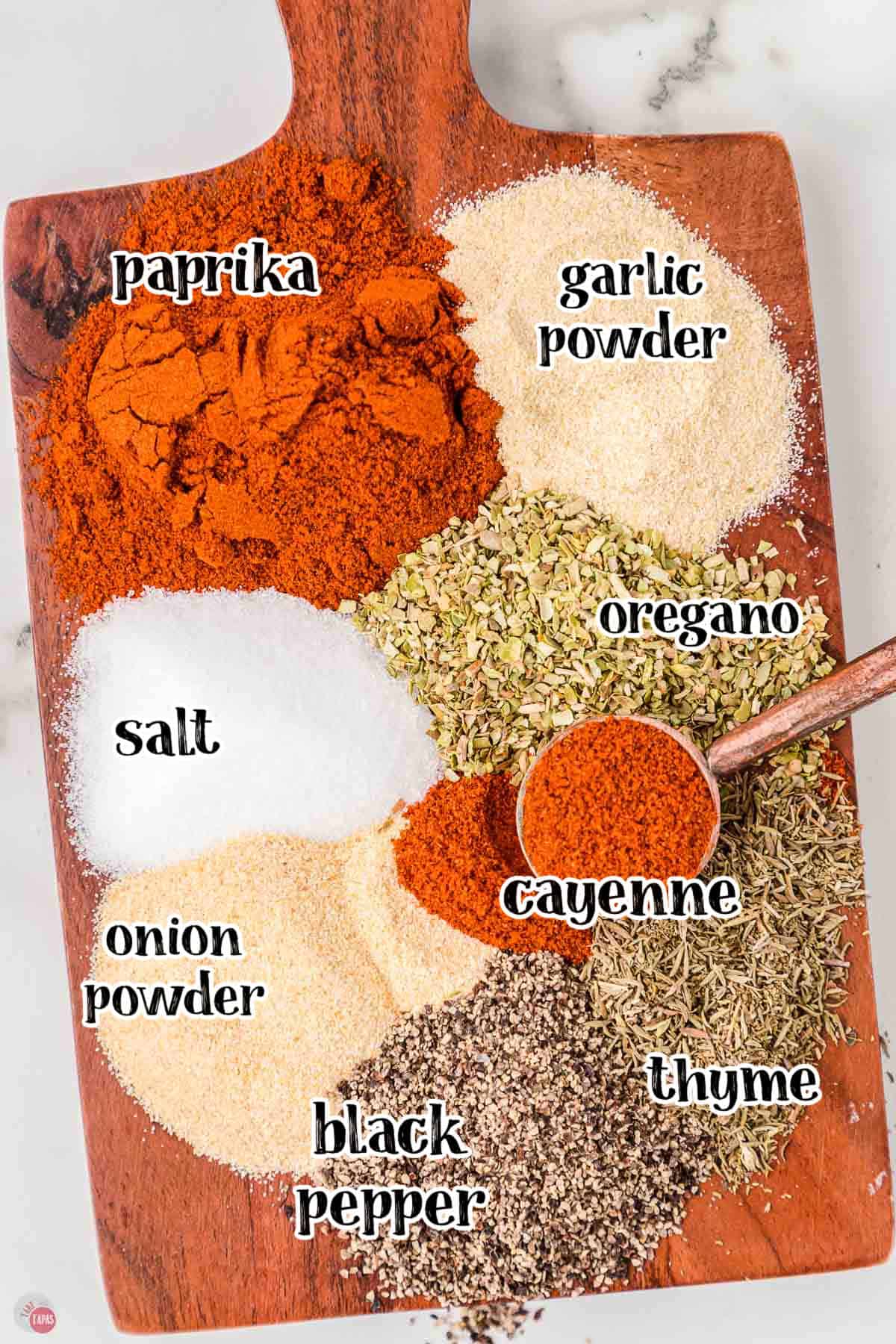
See recipe card for complete information on ingredients and their quantities.
Ingredient Notes
Paprika – the backbone of the blend and the ingredient that gives cajun seasoning its characteristic deep red color and mild sweetness. This recipe uses regular paprika at a 1:6 ratio to cayenne. That ratio is intentional – enough paprika to round out the heat and let the other spices come through without the cayenne taking over.
Cayenne pepper – the heat source. At a 1:6 ratio to paprika this blend delivers a noticeable warmth that builds without burning. If you want more heat add a little more cayenne. If you are sensitive to spice start with half the amount and taste as you go.
Garlic powder – adds a savory depth that is essential to cajun cooking. Do not substitute fresh garlic – it will not distribute evenly through a dry spice blend.
Onion powder – works alongside the garlic to build the base. Together they give the blend that characteristic Louisiana flavor that makes cajun food taste like cajun food.
Oregano – adds an herby note that connects this blend to its Creole roots. It softens the spice and adds complexity. If you are out of oregano an Italian seasoning blend works as a substitute.
Thyme – earthy and slightly floral. It pairs naturally with oregano and adds another layer of flavor that keeps the blend from tasting flat. Same substitution applies – Italian seasoning works in a pinch.
Black pepper – adds a sharp background heat that is different from the cayenne. Using both gives the blend more complexity than either alone.
Crushed red pepper flakes – adds a slightly fruity heat that is different from the cayenne and black pepper. It gives the blend layers of spice rather than a single flat burn.
Salt – balances everything and helps the seasoning penetrate meat when used as a rub. Adjust the amount based on your preference or leave it out and season separately.
For more insider tips, tricks, and a behind the scenes look, follow me on Pinterest, Facebook, Instagram, & X.
How To Make Your Own Cajun Seasoning
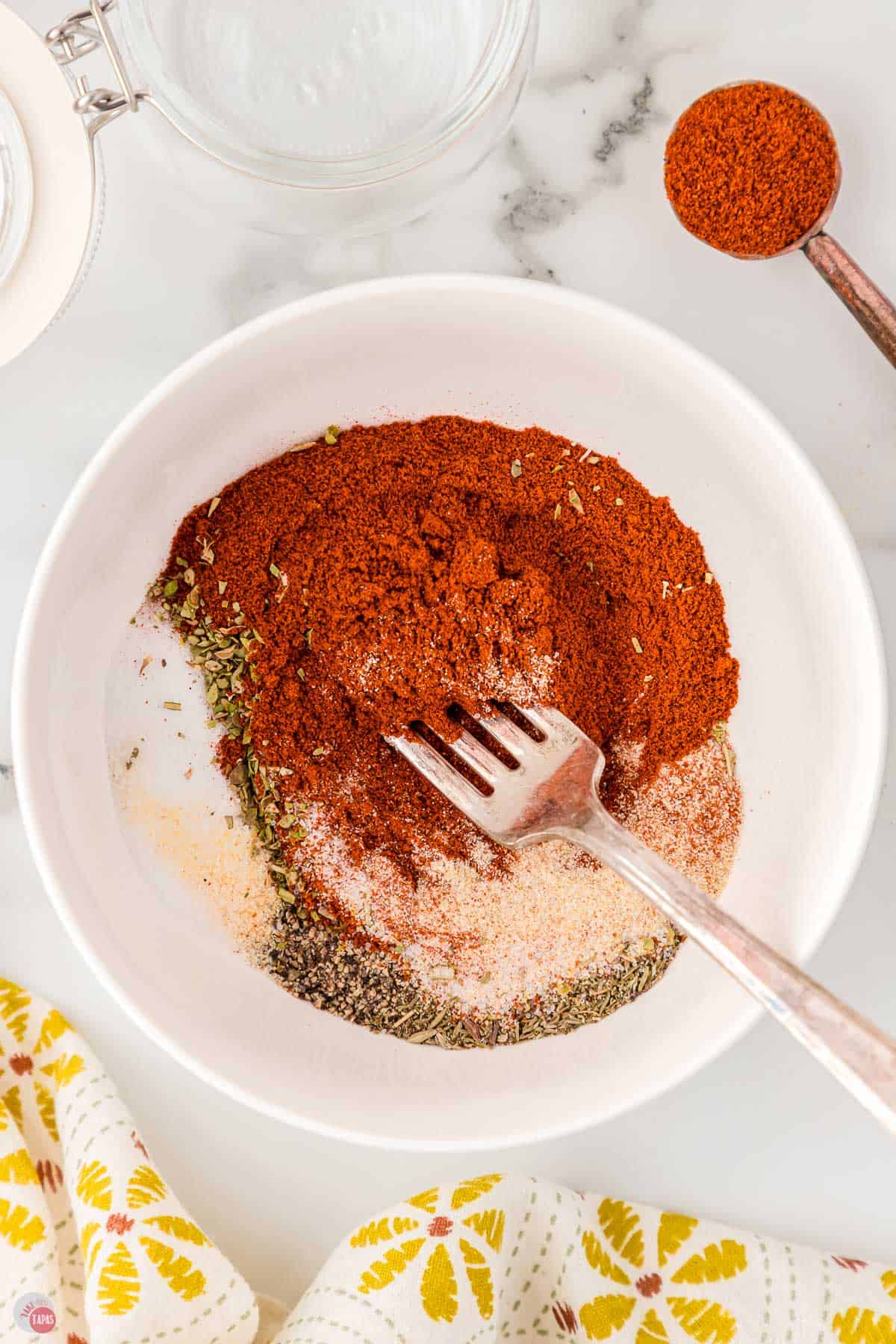
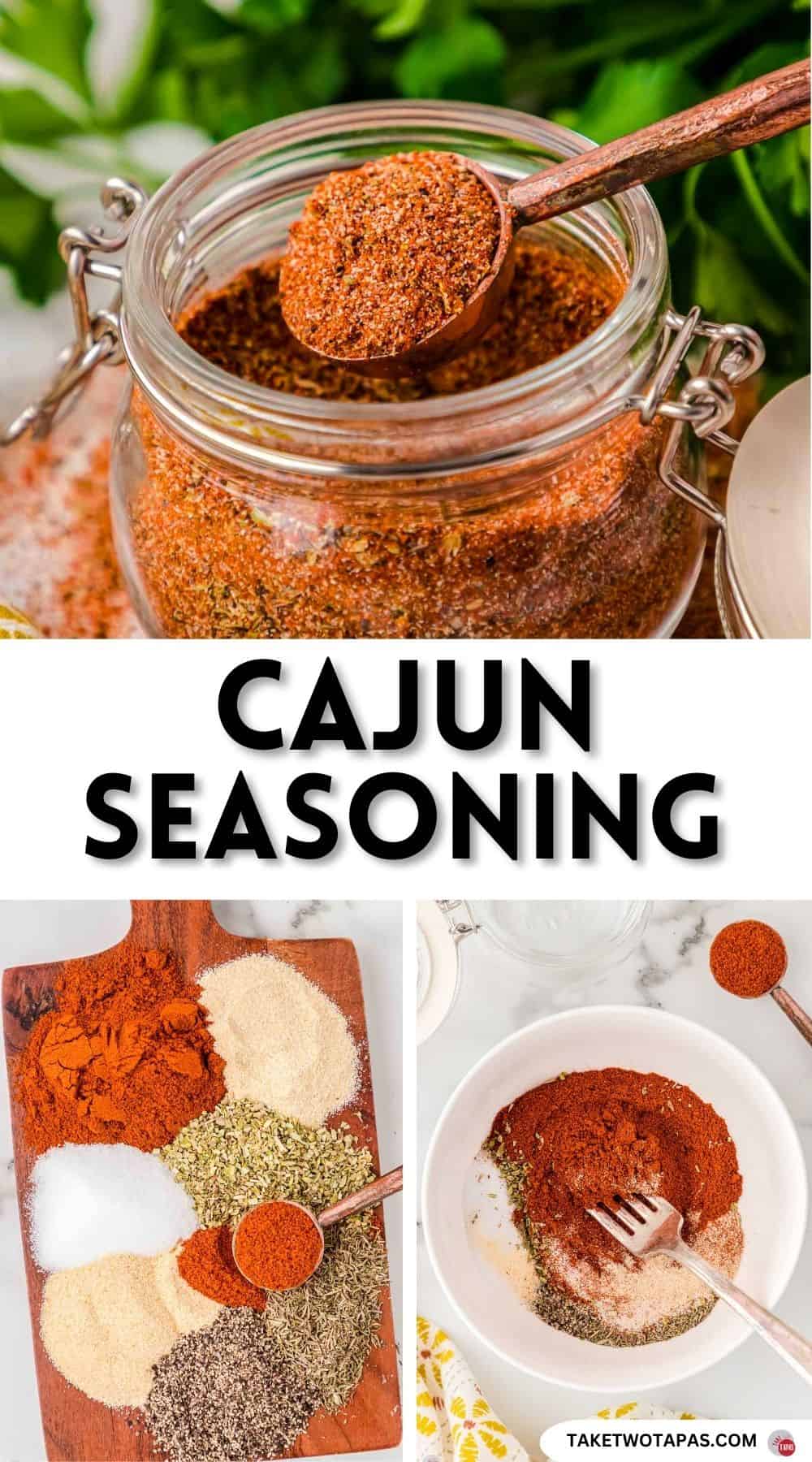
- Measure all spices into a medium bowl. Whisk together until fully combined.
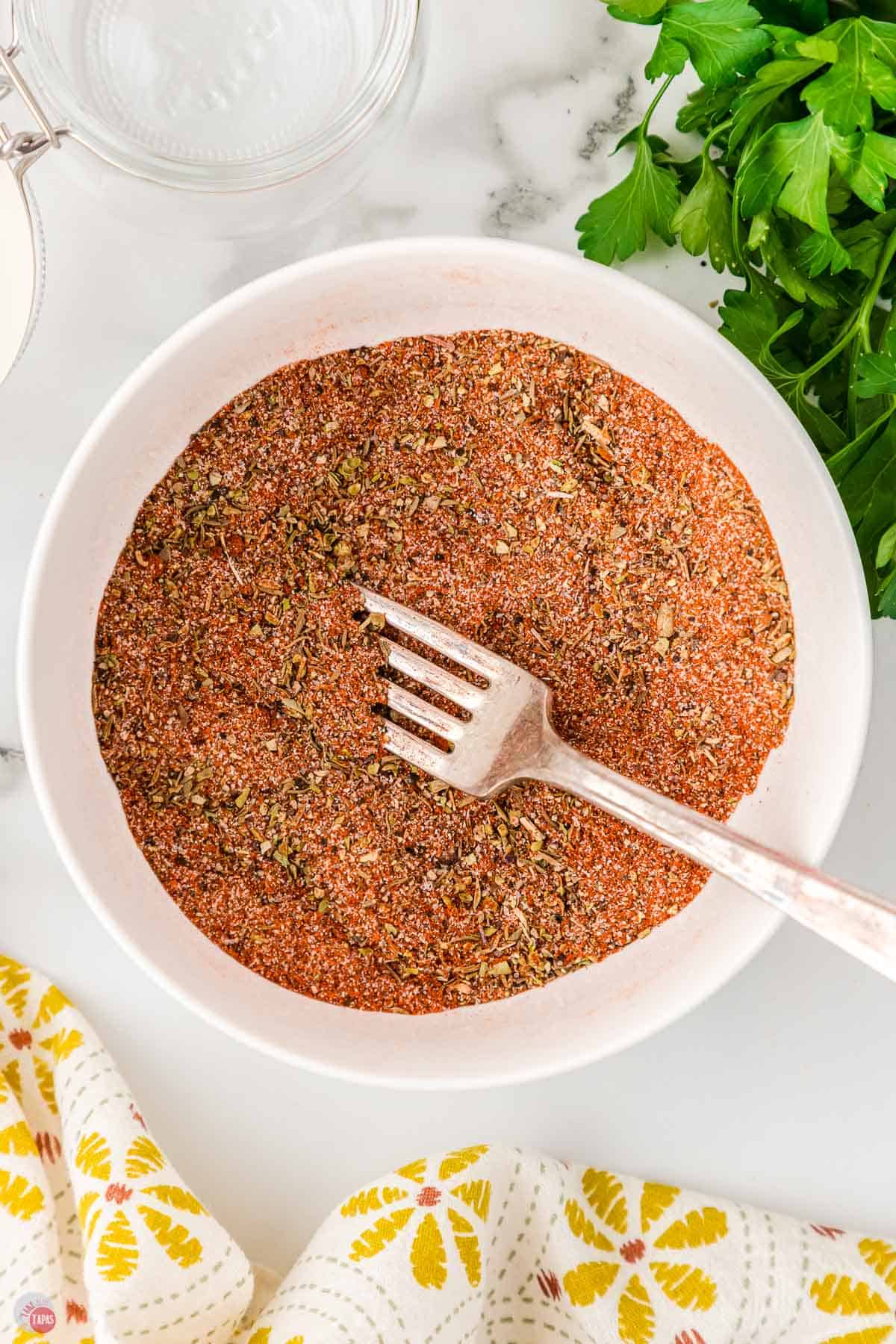
- Transfer to an airtight glass jar or container. Label with the date and store in a cool, dark, dry place until ready to use.
For the full recipe and detailed instructions, please refer to the recipe card at the bottom of the post.
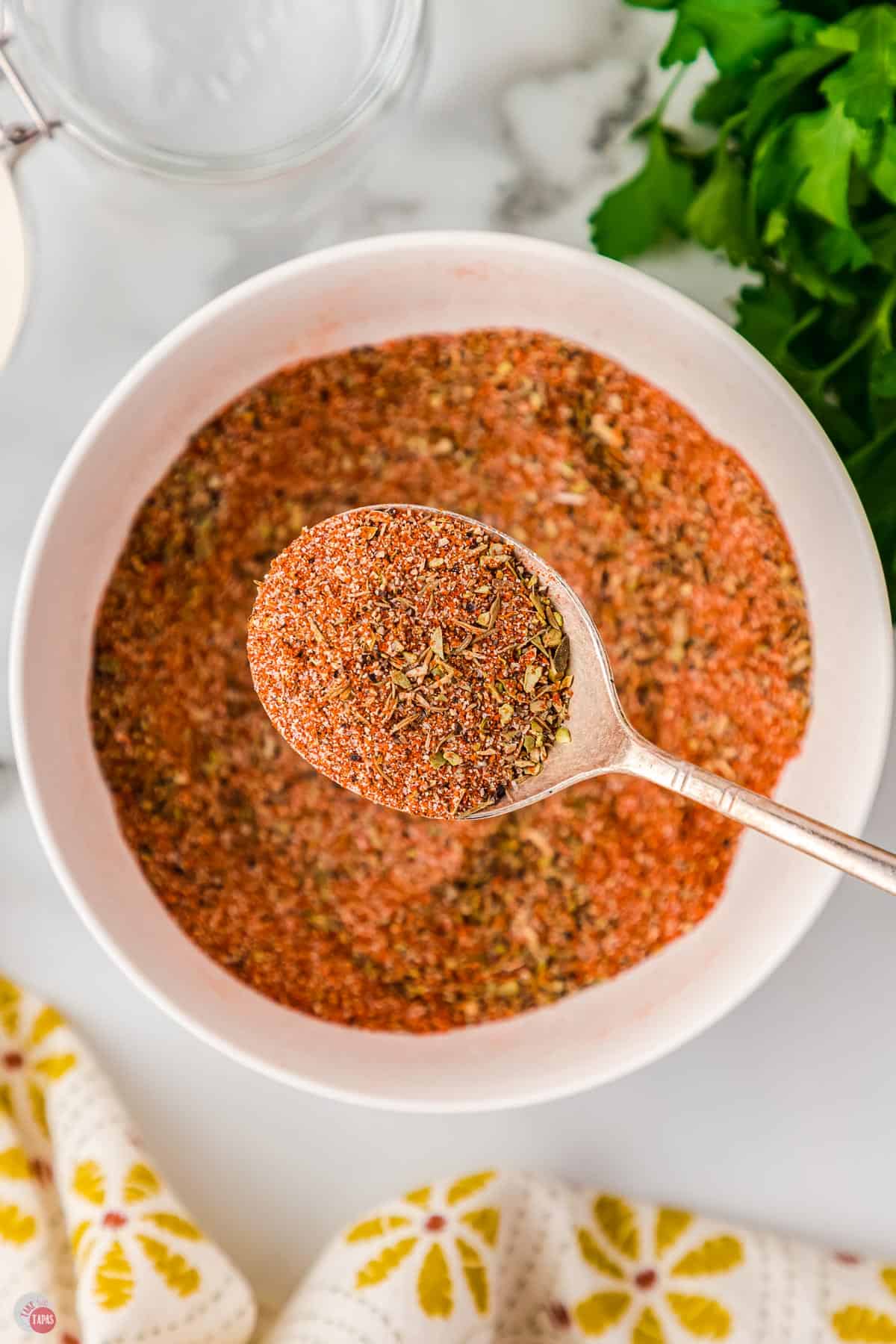
How to Use Cajun Seasoning
As a dry rub: Coat chicken, shrimp, fish, or pork generously before cooking. Apply 30 minutes ahead of time if possible so the spices have time to penetrate. The blend caramelizes beautifully on the outside of proteins when grilled, baked, or pan seared.
In dips: Stir into cream cheese or sour cream based dips for an instant cajun flavor boost. Boudin dip is the most direct use but it works in any cheesy, creamy dip that needs a little heat.
On fries and vegetables: Toss with olive oil before roasting or sprinkle directly on hot fries straight out of the fryer. Corn, sweet potatoes, and zucchini are especially good with this blend.
In soups and stews: Add a tablespoon or two directly to the pot when making gumbo, hoppin john, or any southern style soup. It builds depth into anything with a broth base.
As a pasta seasoning: Stir into butter and toss with pasta for a quick cajun butter pasta. Add shrimp or chicken and dinner is done in 20 minutes.
On bread and crackers: Mix with olive oil for a dipping oil or stir into softened butter and spread on crusty bread before toasting.
Storage
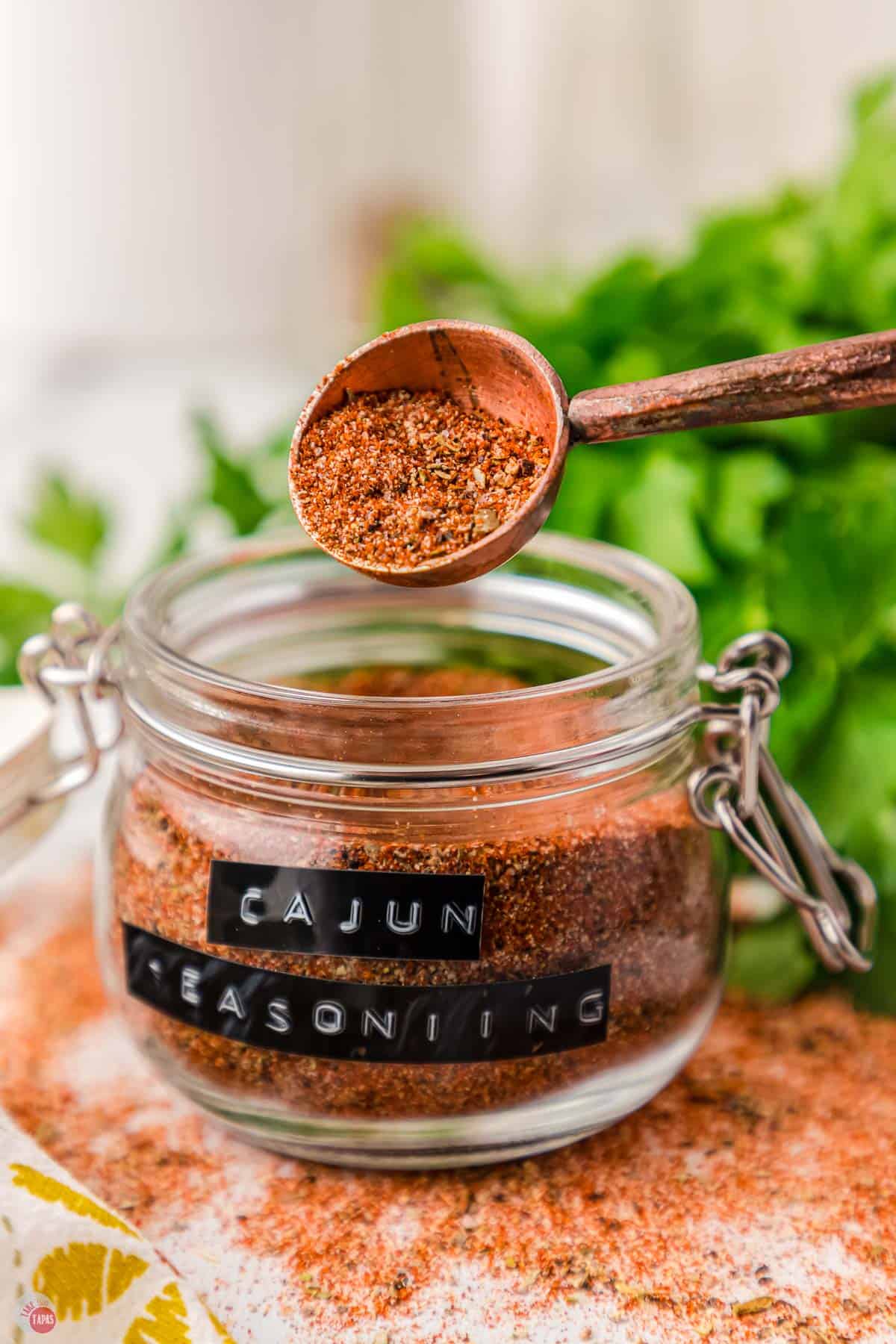
Store your cajun seasoning in an airtight container in a cool, dark, dry place. It will keep for up to six months. Glass jars work best and keep the spices fresher longer than plastic or zip top bags.
Label with the date so you know when to make a fresh batch. The cayenne and red pepper flakes will lose their heat first – if the blend starts tasting flat before the six months are up it is time for a new jar.
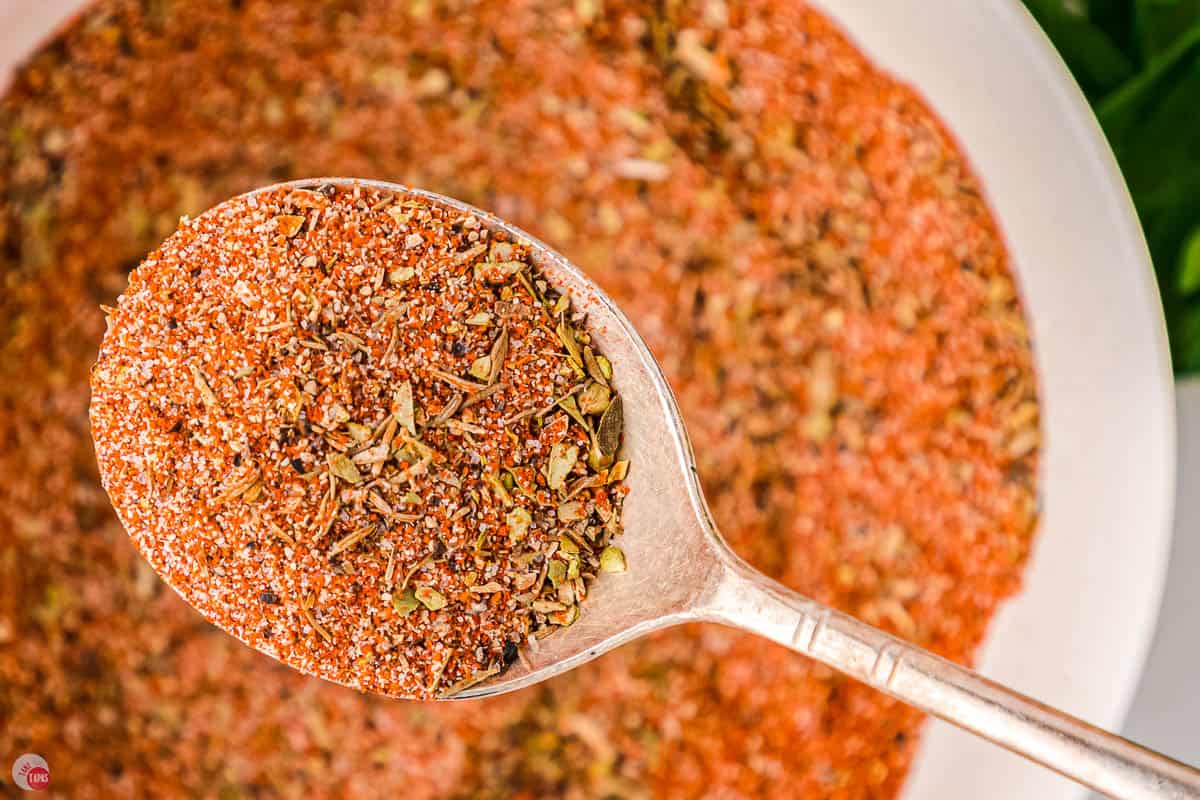
Variations
Make it smokier – add a teaspoon of smoked paprika alongside the regular paprika for a deeper, more complex flavor. Keep the ratio balanced so the smoky flavor does not overpower the other spices.
Make it hotter – increase the cayenne or add a pinch of chipotle powder for a more aggressive heat. Go slowly and taste as you add.
Make it milder – reduce the cayenne to a small pinch and cut the red pepper flakes in half. The blend stays flavorful without the heat. Great for kids or anyone sensitive to spicy foods.
Make it salt free – leave the salt out entirely and season your dish separately. Useful when using the blend in soups and roasts where the liquid reduces and concentrates the salt.
Make it a Tony Chachere substitute – this blend is a direct homemade alternative to Tony Chachere’s Original Creole Seasoning. The flavor profile is similar – bold, paprika forward, with layered heat. Use it as a one-for-one swap in any recipe that calls for Tony Chachere.
Recipes Using This Cajun Seasoning
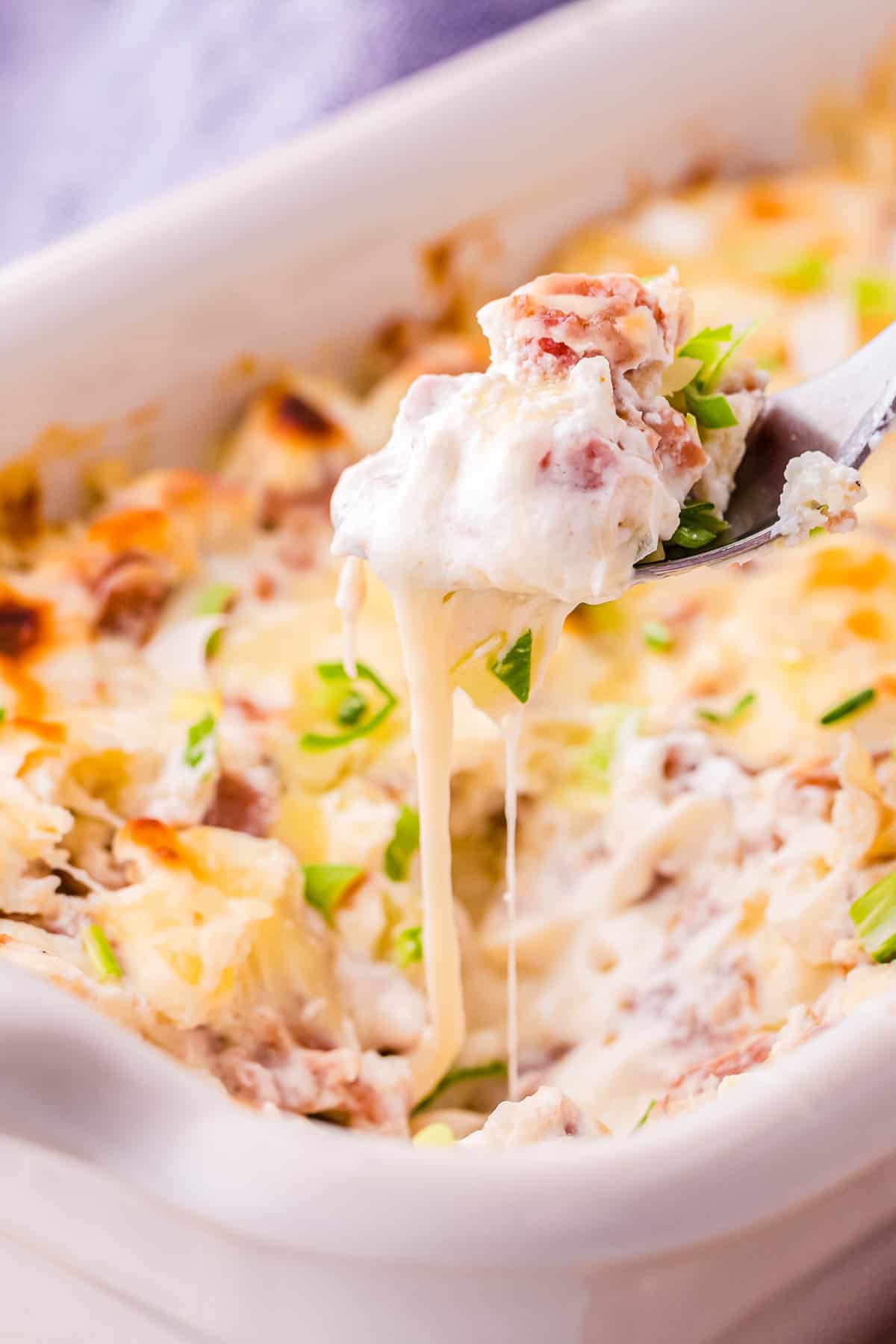
Boudin Dip – a creamy, cheesy Louisiana-inspired dip that uses this blend as the flavor base. One of the best party appetizers on the site and the most direct use of cajun seasoning outside of an actual cajun dish.
Cajun Fries – crispy oven fries tossed in this blend before baking. The paprika caramelizes on the outside and gives them a deep color and flavor that plain salted fries cannot touch.
Cajun Fried Corn – skillet corn tossed with butter and this seasoning blend for a simple, addictive side dish that goes with everything from grilled chicken to ribs.
Slow Cooker Hoppin John – a classic southern black eyed pea dish that uses this blend to build the savory, spiced base. Set it and forget it and come back to something that tastes like it took all day.
Popcorn Shrimp – this blend works as a direct substitute for Old Bay in the breading. The cajun version has more heat and a slightly different flavor profile that pairs especially well with a creamy dipping sauce.
What to Make With It
Blackened Chicken Caesar Salad – blackening seasoning and cajun seasoning share the same flavor DNA. This salad uses blackened chicken as the protein and the cajun seasoning works as a substitute if that is what you have on hand.
Swamp Soup – a hearty smoked sausage soup with andouille as a natural swap. This blend goes directly into the broth and turns a simple soup into something with real depth and southern flavor.
Sausage Peppers and Onions Sheet Pan Meal – made with Italian sausage in the original recipe but andouille is listed as a substitute. Swap in this cajun seasoning alongside the andouille and the whole dish shifts into Louisiana territory.
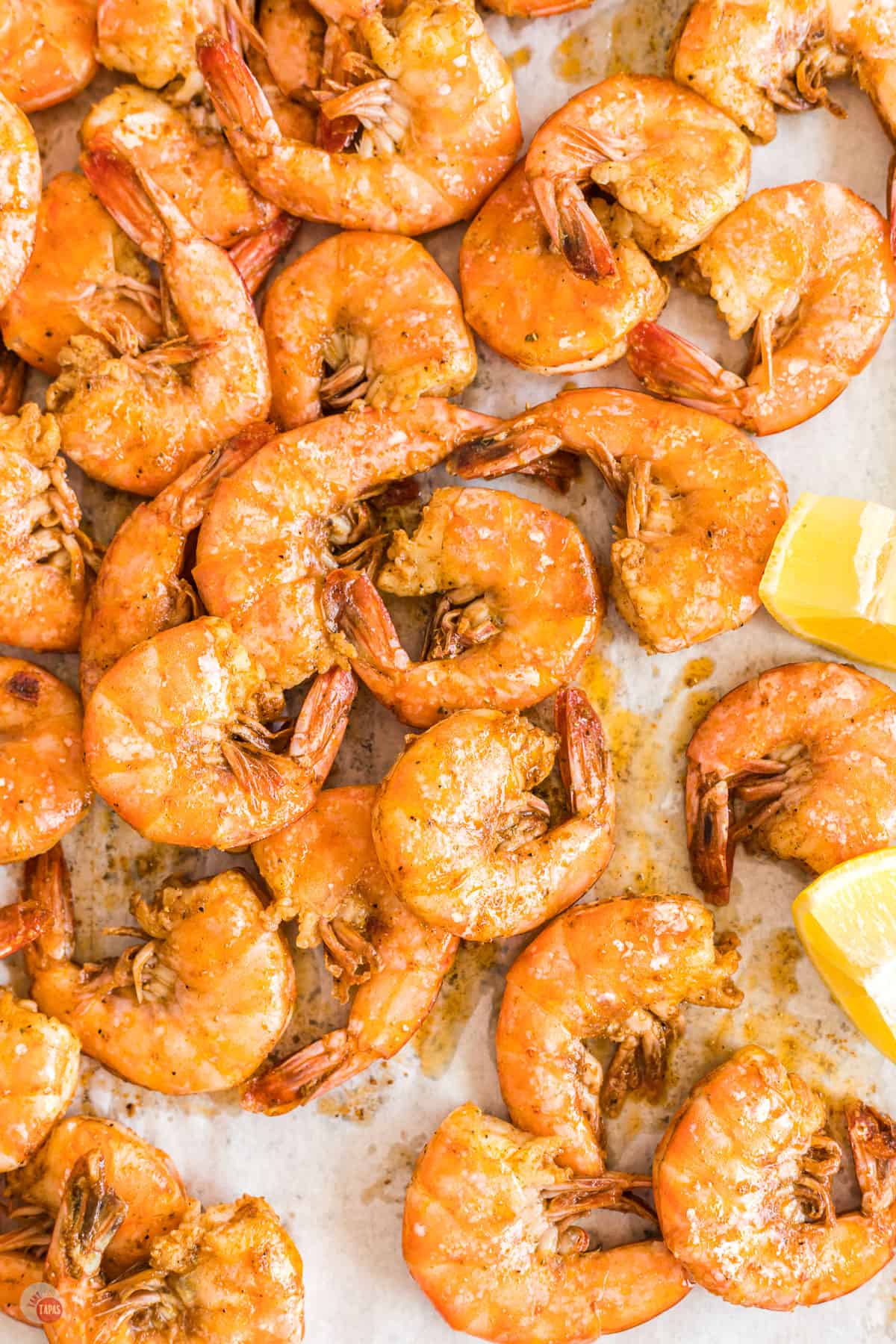
Old Bay Baked Shrimp – cajun seasoning works as a substitute for Old Bay on shrimp. The flavor is bolder and spicier but the combination of seafood and warm spices is just as good.
Muffuletta Olive Salad – a New Orleans classic that belongs on the same table as anything cajun seasoned. The briny, herby olive salad is the perfect contrast to the heat in this blend.
Frequently Asked Questions
Cajun seasoning is a blend of paprika, cayenne pepper, garlic powder, onion powder, oregano, thyme, black pepper, crushed red pepper flakes, and salt. The ratio of cayenne to paprika is what determines how hot it is – this recipe uses a 1:6 ratio for a balanced heat that enhances food without overpowering it.
Cajun seasoning is built on peppers – paprika and cayenne lead and the other spices support them. Creole seasoning leans more heavily on herbs like oregano, thyme, and basil with the heat playing a supporting role. Cajun tends to be spicier and more direct. Creole is more complex and slightly milder.
Yes, it works as a direct one-for-one swap. Tony Chachere’s Original Creole Seasoning has a similar paprika forward, layered heat profile. This homemade version gives you more control over the salt and heat level and uses no additives or fillers.
Medium. The 1:6 ratio of cayenne to paprika delivers a little warmth that builds without burning. It is less spicy than most store-bought cajun blends and less spicy than many popular blog recipes that use a 1:3 ratio. If you want more heat add extra cayenne. If you want less start with half the cayenne and taste as you go.
In a pinch yes but the flavor will be noticeably different. Cajun seasoning will make the dish taste more aggressively spiced and pepper forward. Creole seasoning in a cajun recipe will taste more herby and less punchy. They are not identical and the difference is noticeable in dishes where the seasoning is the star.
Start with one to two tablespoons per pound and adjust to taste. For a dry rub, apply 30 minutes before cooking so the spices have time to penetrate the meat. You can always add more after tasting but you cannot take it away so start conservatively.
Up to six months stored in an airtight container in a cool, dark, dry place. The cayenne and red pepper flakes lose their heat first. If the blend starts tasting flat before six months are up make a fresh batch.
Absolutely. It works especially well on corn, sweet potatoes, zucchini, and bell peppers. Toss with olive oil before roasting or sprinkle directly on grilled vegetables. The paprika caramelizes beautifully on the outside and adds color as well as flavor.
Looking for more ways to flavor your favorite meals? Check out our full collection of Homemade Spice Mixes and Seasoning Blends.
Recipe Tips and Tricks
- Use the freshest spices you can find – old cayenne and paprika lose their potency fast and the whole blend will taste flat if even one spice is past its prime.
- Rub the seasoning between your fingers before adding it to a dish to release the oils and activate more flavor.
- Start with less than you think you need and add more after tasting – you can always add heat but you cannot take it away.
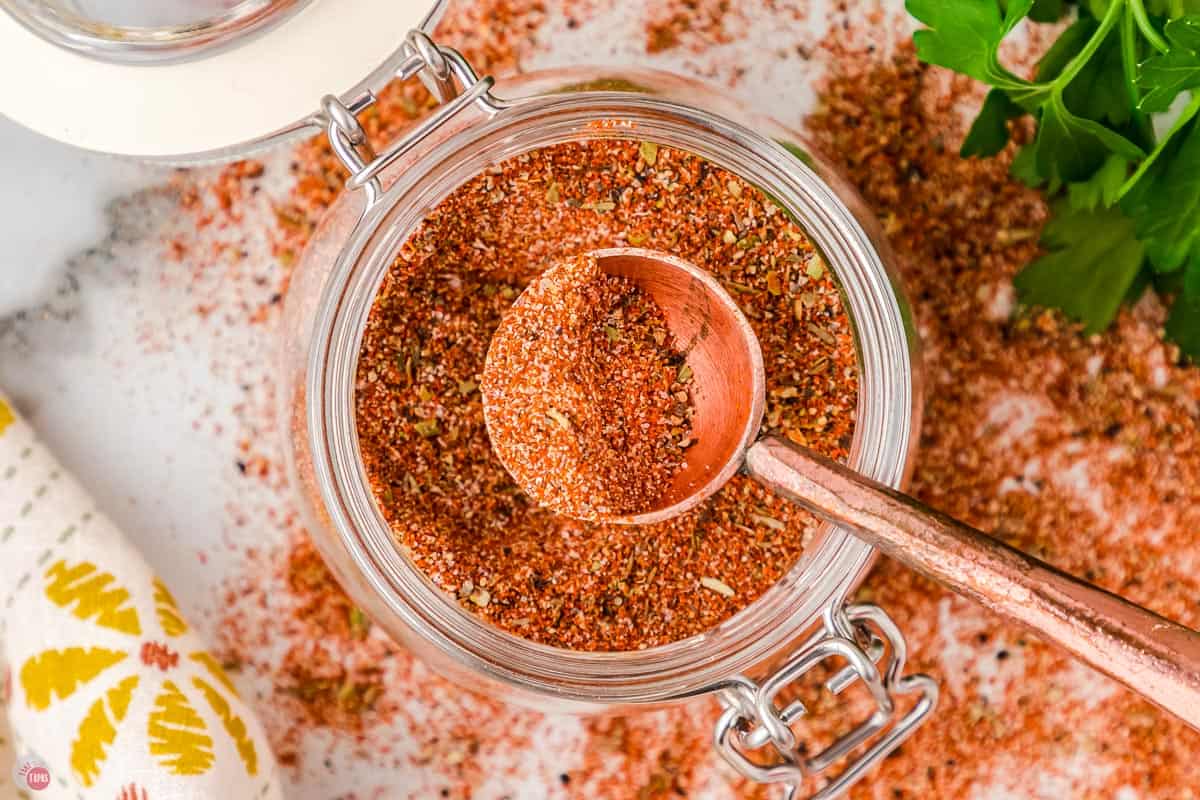
- Store in glass rather than plastic for fresher flavor and a longer shelf life.
- Make a double batch while you are at it since this blend disappears fast once you start cooking with it regularly.
This Cajun seasoning recipe is better than the store-bought Tony Chachere you find at the store.
If you love this recipe as much as I do, please leave us a ⭐️⭐️⭐️⭐️⭐️ five-star review in the comment section below. Thanks!
Cajun Seasoning Recipe
Ingredients
- 2 tablespoons paprika
- 1 tablespoon salt
- 1 1/2 tablespoons garlic powder
- 1 tablespoon pepper
- 1 tablespoon onion powder
- 2 teaspoons oregano
- 1 1/2 teaspoons cayenne pepper
- 2 teaspoons thyme
Instructions
- Combine all ingredients in an air tight container and store in a cool, dark place.
- Use as needed.
Notes
- Use the freshest spices you can find – old cayenne and paprika lose their potency fast and the whole blend will taste flat if even one spice is past its prime.
- Rub the seasoning between your fingers before adding it to a dish to release the oils and activate more flavor.
- Start with less than you think you need and add more after tasting – you can always add heat but you cannot take it away.
- Store in glass rather than plastic for fresher flavor and a longer shelf life.
- Make a double batch while you are at it since this blend disappears fast once you start cooking with it regularly.
Nutrition
{Originally published 6/24/20 – photos and recipe updated to improve reader experience 11/17/23}
©TakeTwoTapas.com. Content and photographs are copyright protected. Sharing of this recipe is both encouraged and appreciated. Copying and/or pasting full recipes to any social media is strictly prohibited.

This is a good mix