Pizza Seasoning
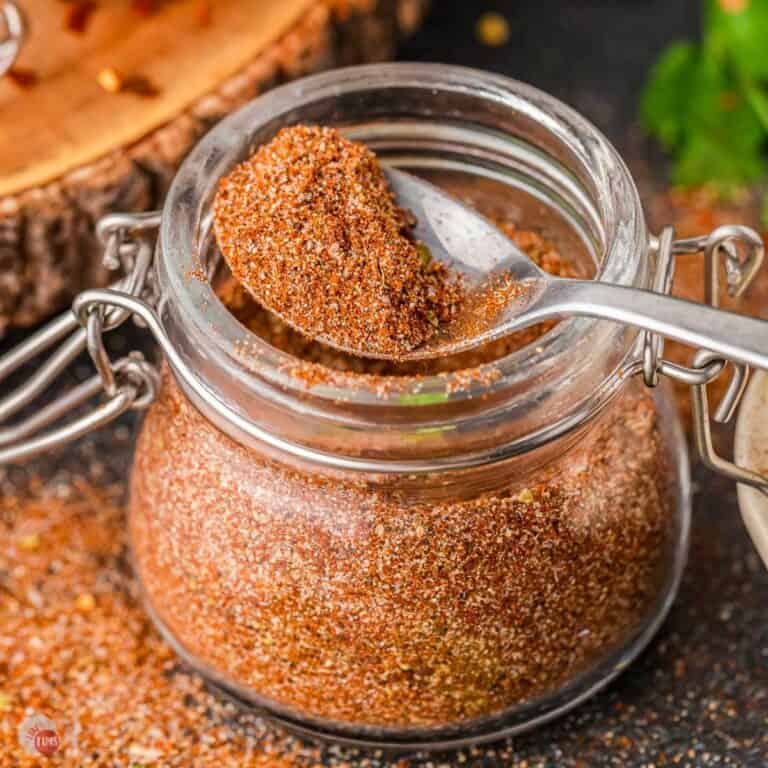
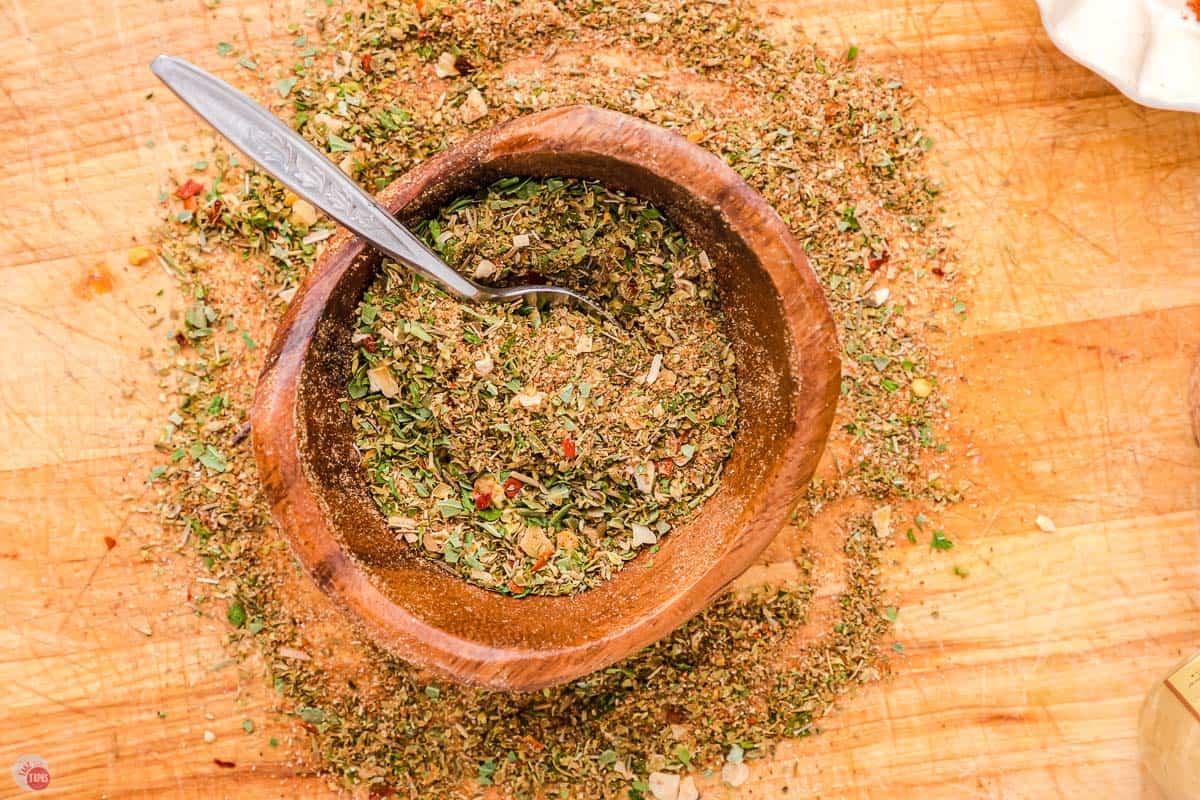
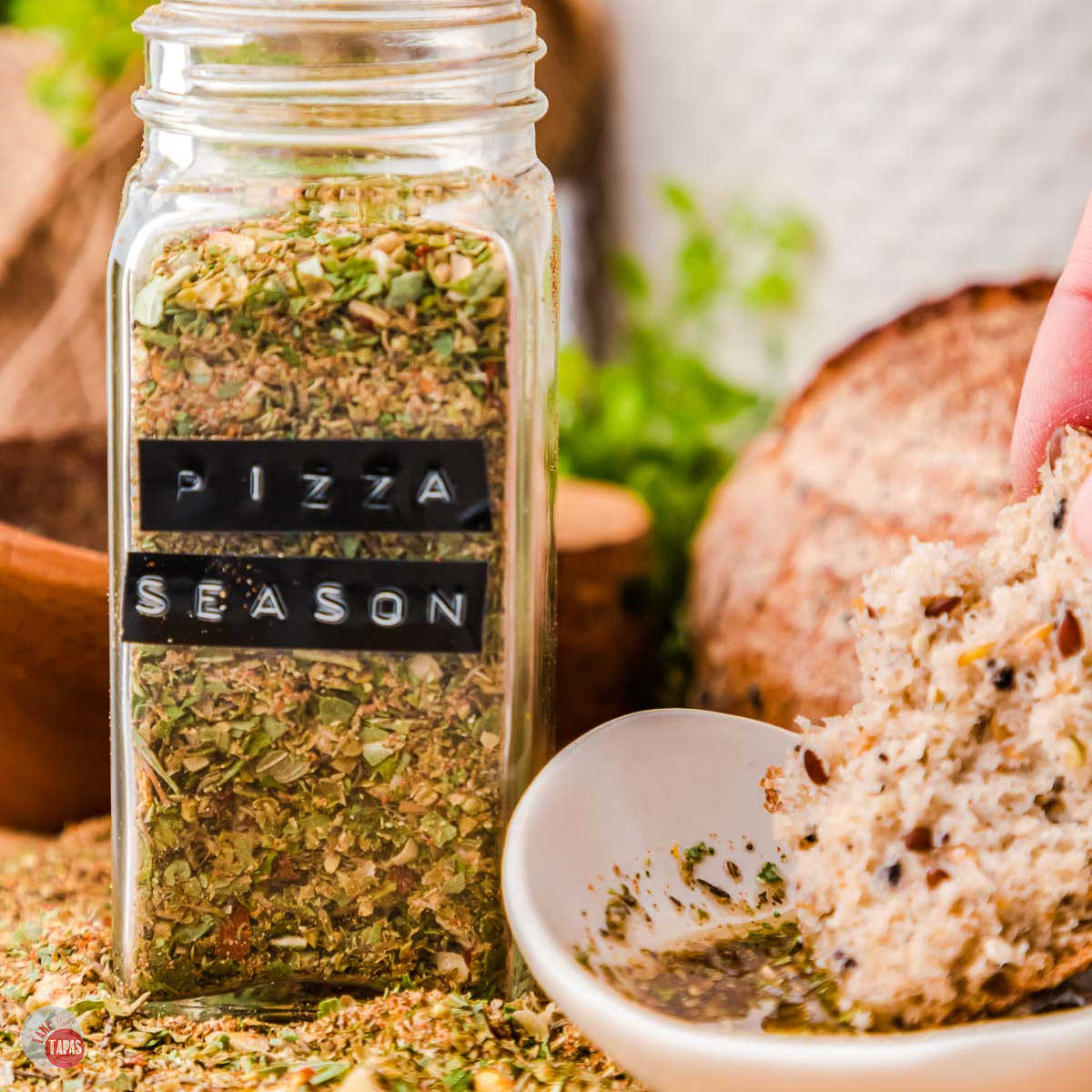
Homemade pizza seasoning is a quick blend of oregano, basil, garlic powder, onion flakes, parsley, thyme, fennel, paprika, and crushed red pepper that comes together in five minutes with spices already in your pantry. Sprinkle it on pizza dough, stir it into sauce, mix it into butter for garlic bread, or use it anywhere you use Italian herbs. One batch keeps for six months in an airtight jar.
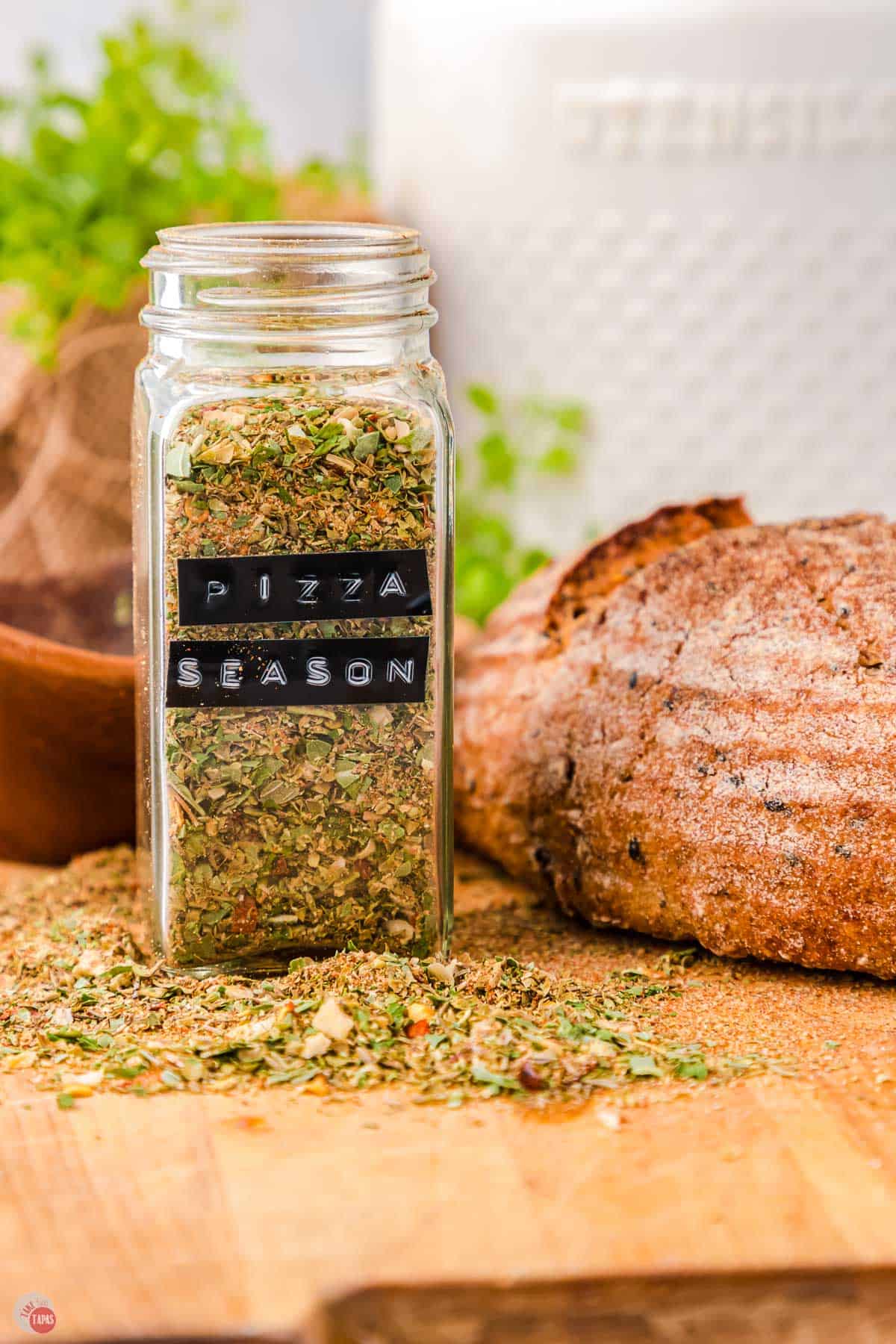
If you have ever sprinkled the generic Italian seasoning from a green shaker onto your pizza and thought it was fine but not quite right, this is the fix. This homemade pizza seasoning recipe is built specifically for pizza!
It’s got more flavor, and just enough heat from the red pepper flakes to make it interesting. It goes into pizza dip, pizza pinwheels, pizza sliders, and pizza pull apart bread, and it works just as well stirred into pasta sauce or brushed onto garlic knots as it does on an actual pizza.
The combination of herbs is what makes it taste like a real New York pizza place instead of a jar from the grocery store. No weird chemical names, no fillers, no ingredients you have to Google. Just dried herbs and spices that you already have, mixed together in about five minutes.
Make one batch and you will reach for it constantly.
This post may contain affiliate links. As an Amazon Associate, I earn from qualifying purchases at no additional cost to you. Read my disclosure policy.
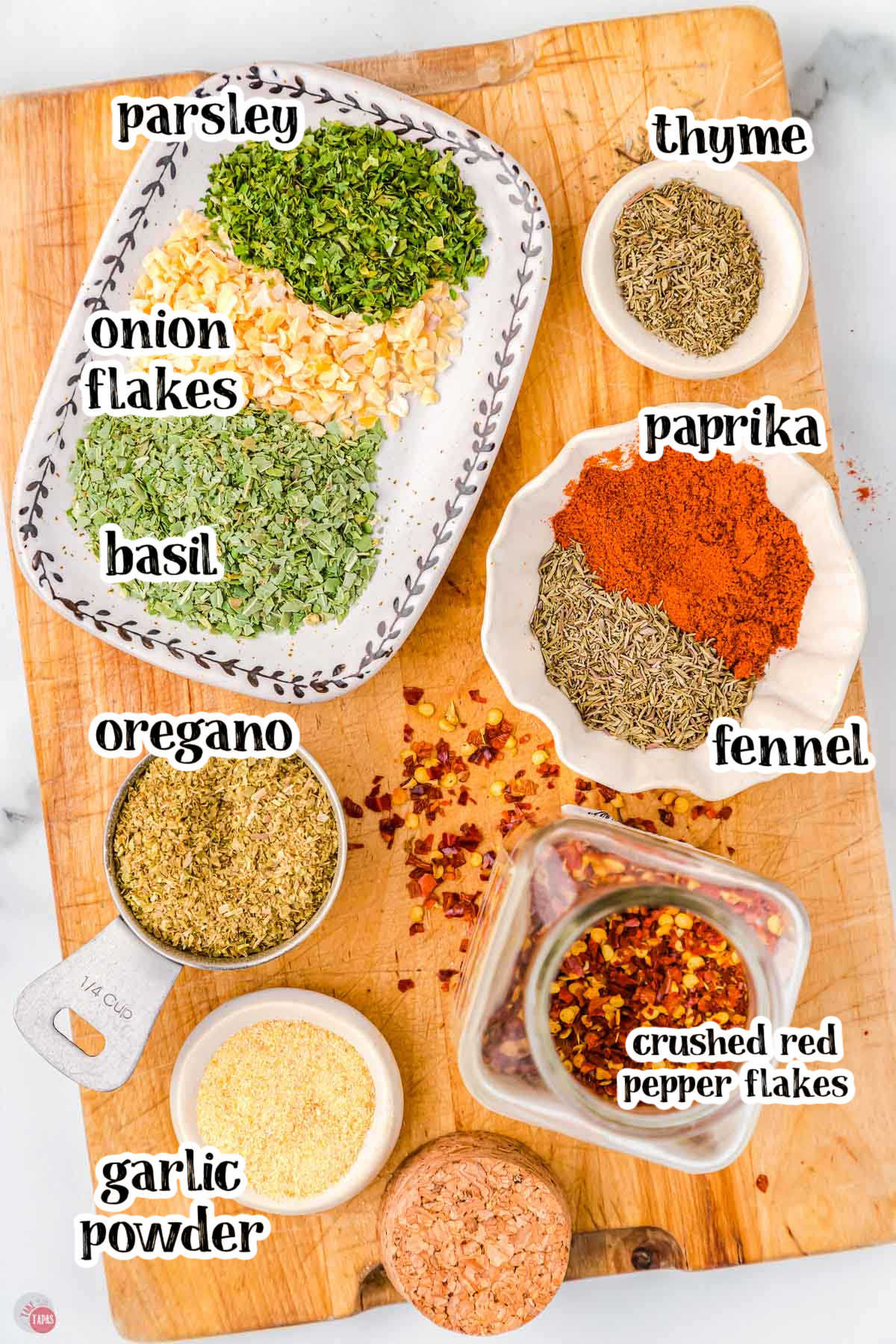
See recipe card for complete information on ingredients and their quantities.
Ingredient Notes
Oregano – The backbone of any good pizza seasoning. It is the most universal herb in the blend and the one that makes something taste unmistakably like pizza. Regular oregano works great. Mexican oregano is a little more citrusy and earthy, but both work really well.
Basil – This adds a sweet, slightly floral note that balances the more savory herbs. If you prefer rosemary, it works great as a substitute and adds a more woodsy aroma.
Onion flakes – Great for texture and a little sweetness that onion powder can add. Use the larger dehydrated flakes rather than granulated onion for the best result. Onion powder works as a substitute but the texture will be different.
Garlic powder – Another staple of the blend. Dried minced garlic is a great substitute if that is what you have on hand.
Parsley – Adds a little herb flavor and color. It can be left out or replaced with additional oregano if needed.
Thyme – Adds a subtle earthiness that deepens the overall flavor without being in your face. Flakes or ground both work fine.
Fennel seed – This is the ingredient that makes this taste like a real pizzeria blend. It has a mild licorice flavor that you find in Italian sausage and authentic pizza seasoning. Caraway seeds work as a substitute if fennel is hard to find.
Paprika – Adds a gentle warmth and a little color. Regular paprika is the standard here but sweet Hungarian paprika and smoked paprika both make excellent substitutes.
Crushed red pepper flakes – For a little added heat. Start with the amount in the recipe and adjust up or down based on your preference. A pinch of cayenne works as a substitute or leave it out entirely for less heat.
For more insider tips, tricks, and a behind the scenes look, follow me on Pinterest, Facebook, Instagram, & X.
How to Make Homemade Pizza Seasoning
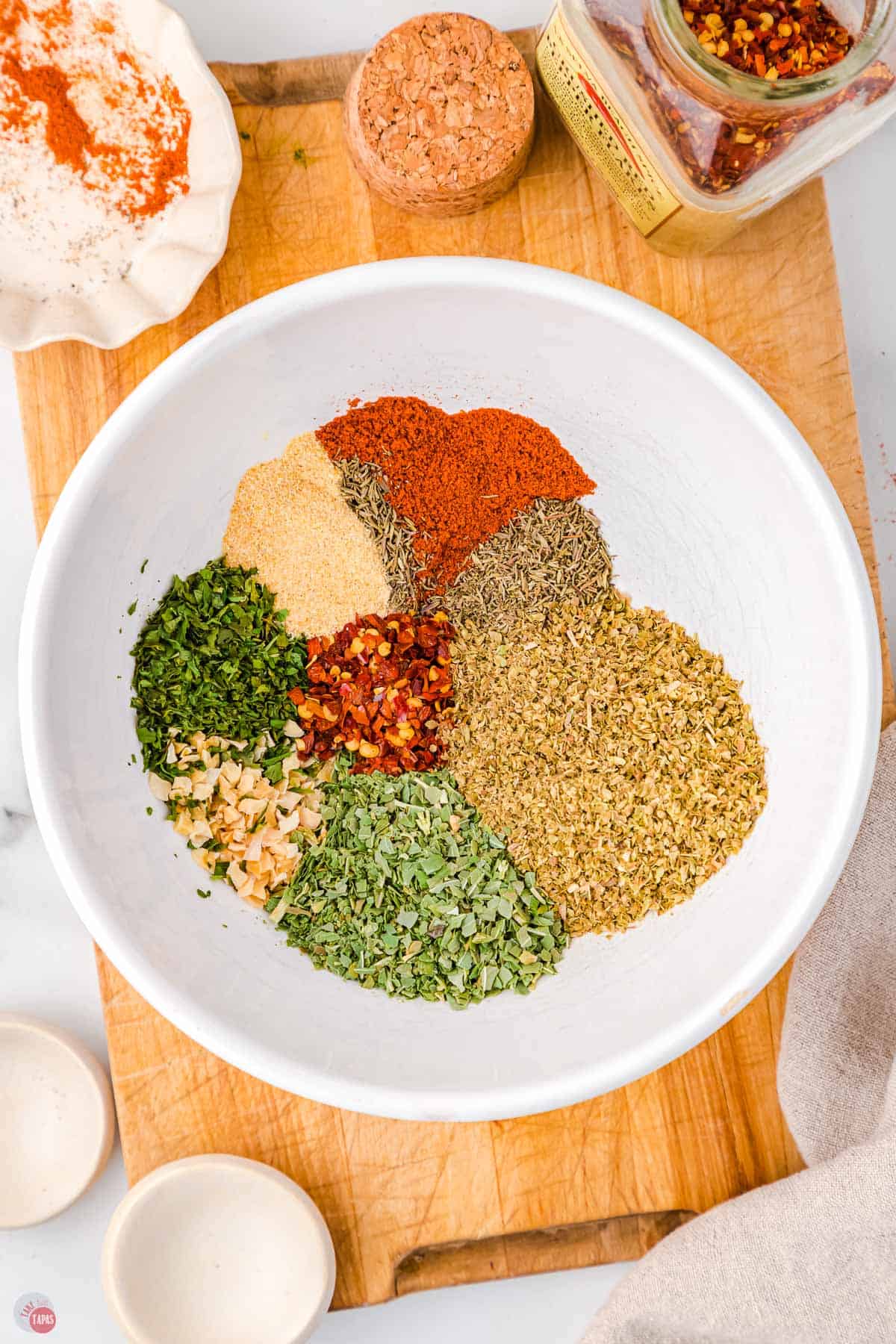
- Measure all spices into a medium bowl. Whisk together until fully combined.
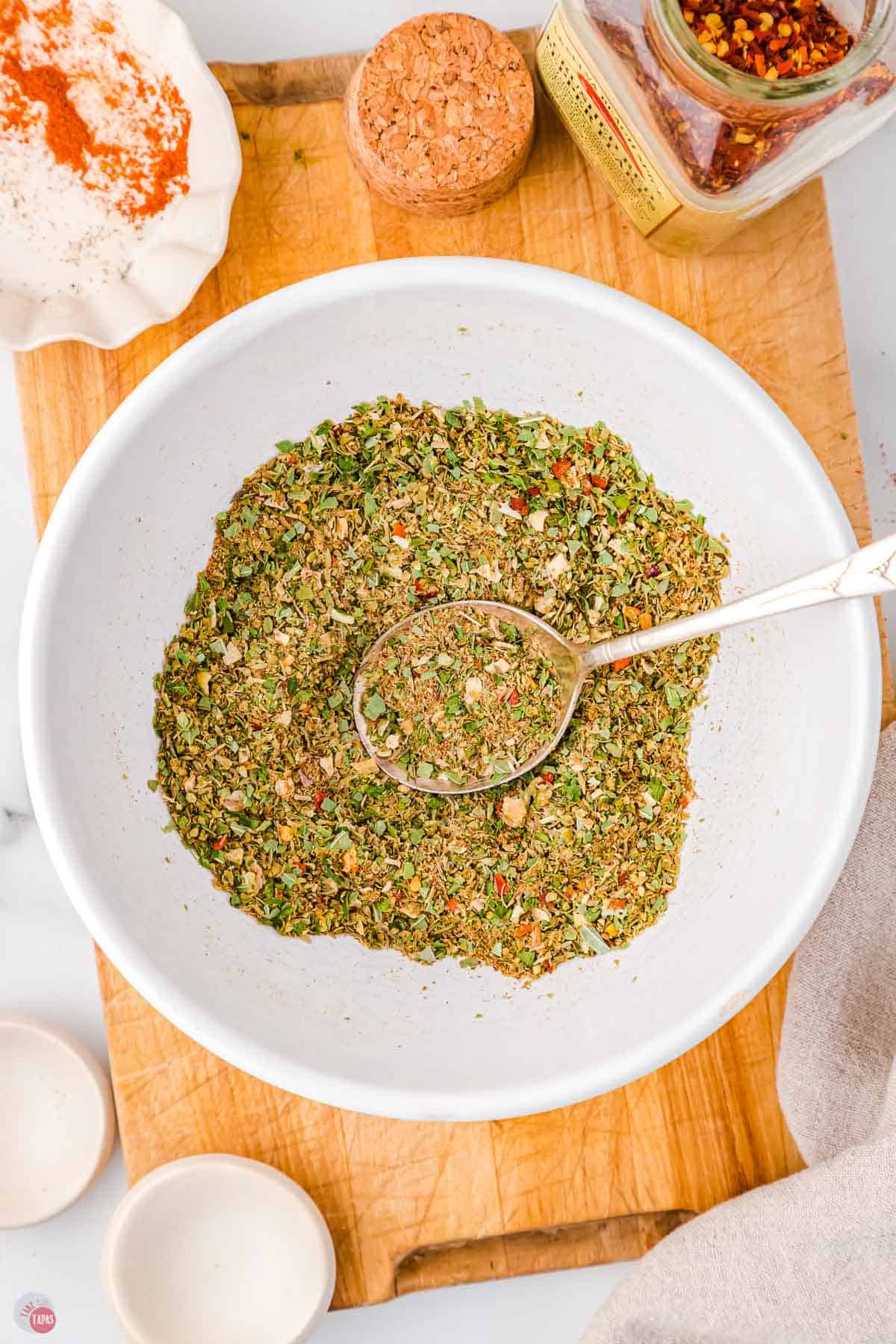
- Transfer to a small glass spice jar or airtight container. Label with the date and store in a cool, dry place until ready to use.
For the full recipe and detailed instructions, please refer to the recipe card at the bottom of the post.
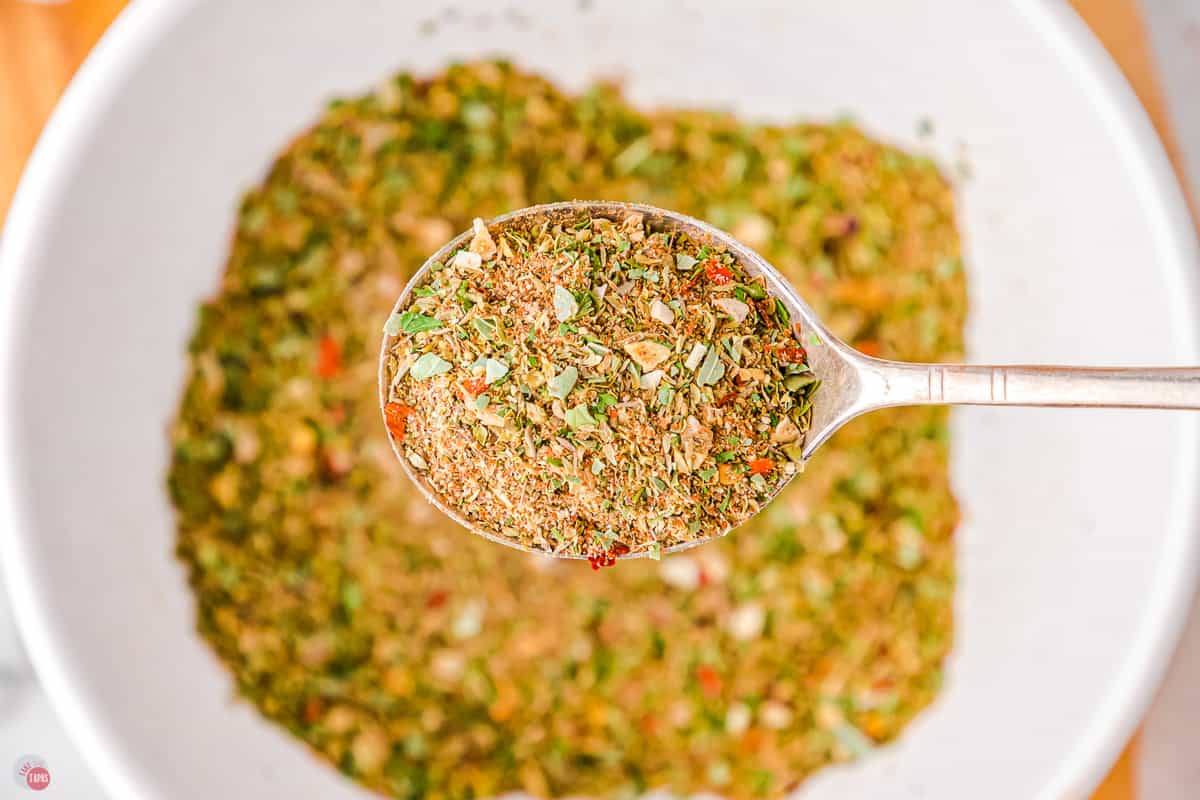
How to Use Pizza Seasoning Recipe
On pizza dough: Sprinkle generously over stretched dough before adding sauce and toppings. It blooms in the oven and the flavor comes through in every bite.
In pizza sauce: Stir a teaspoon or two directly into your sauce for a deeper, more complex flavor. This is the move if you are using a store-bought sauce that needs a little help.
On the crust: Mix with softened butter or olive oil and brush onto the crust edges before baking. It turns a plain crust into something worth eating on its own.
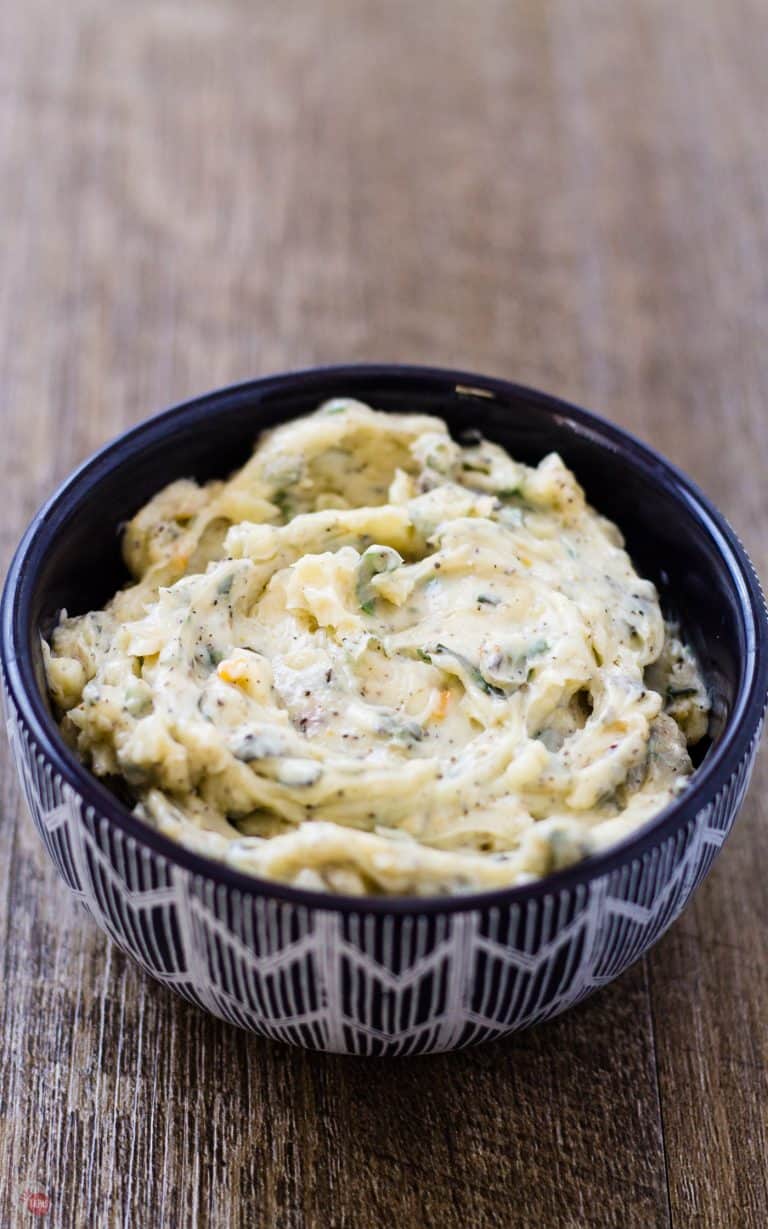
As a garlic bread seasoning: Combine with butter and spread onto crusty French bread before toasting. This is one of the best uses of this blend outside of actual pizza.
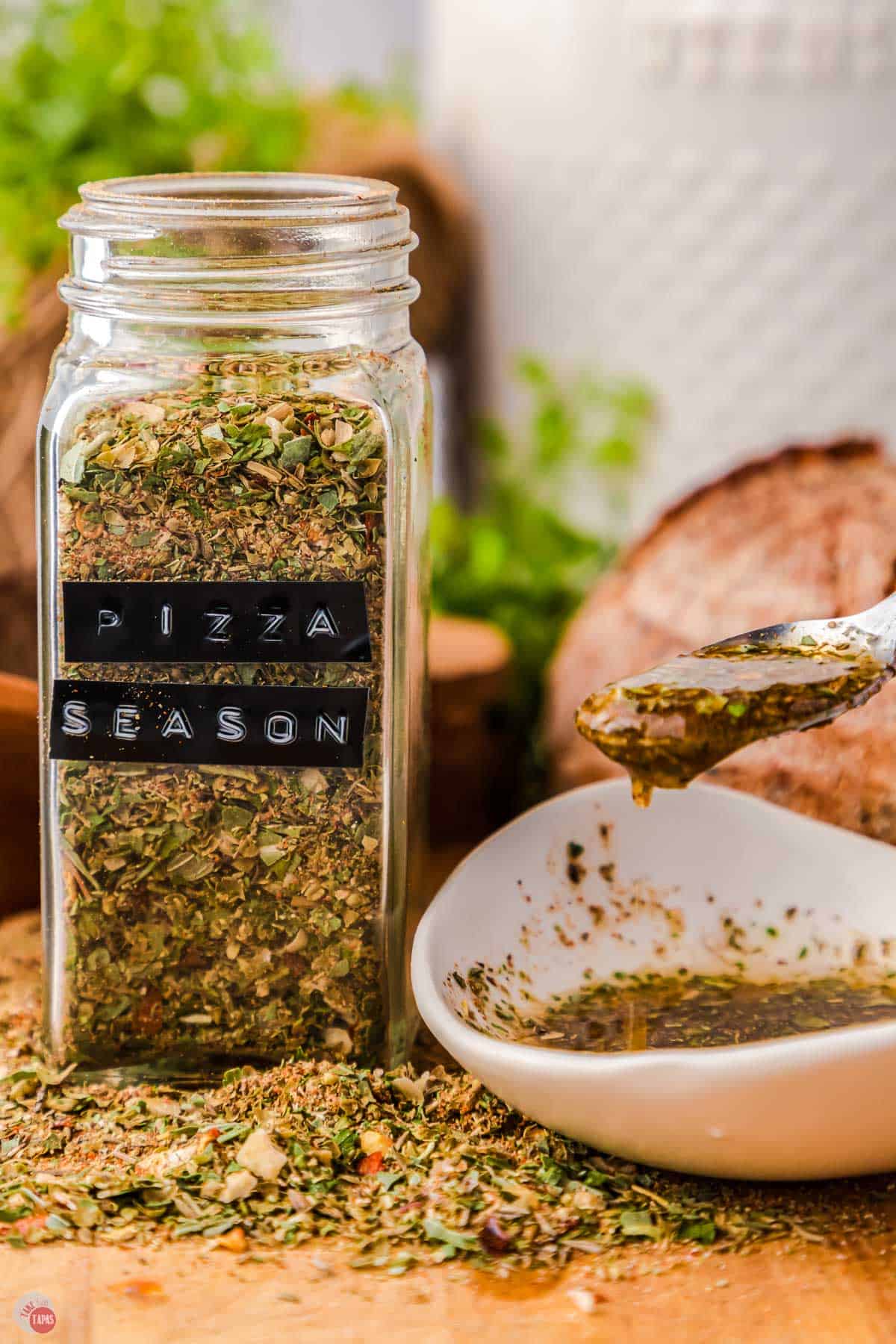
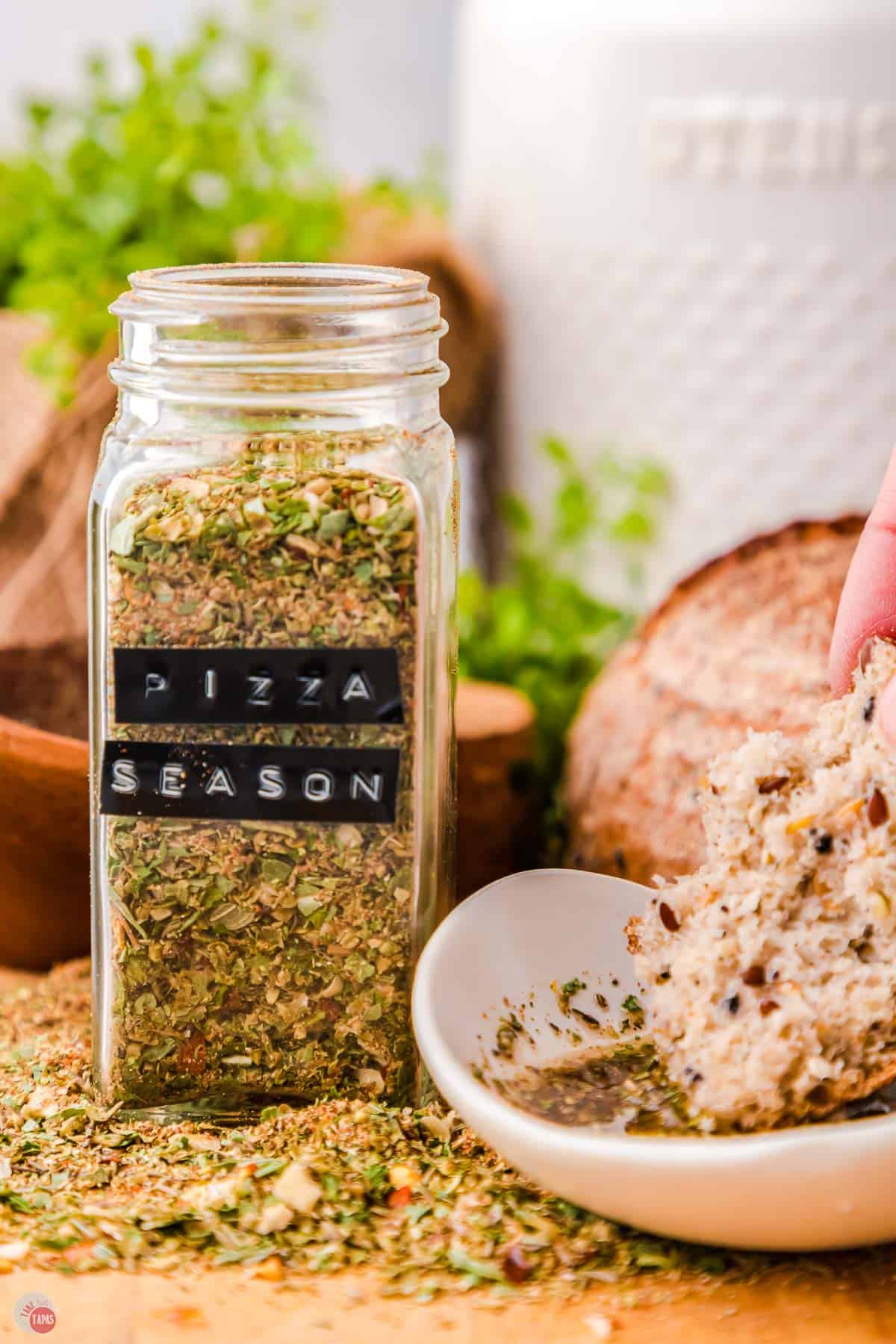
As a bread dipping oil: Stir into olive oil and a splash of balsamic vinegar for a dipping oil that works with crusty Italian bread or baked pizza crust chips.
On store-bought or takeout pizza: Sprinkle directly on top for an instant flavor upgrade. No judgment – it works and it makes a real difference.
In pasta and soup: Anywhere a recipe calls for Italian seasoning, this blend works as a direct substitute with more complexity and depth.
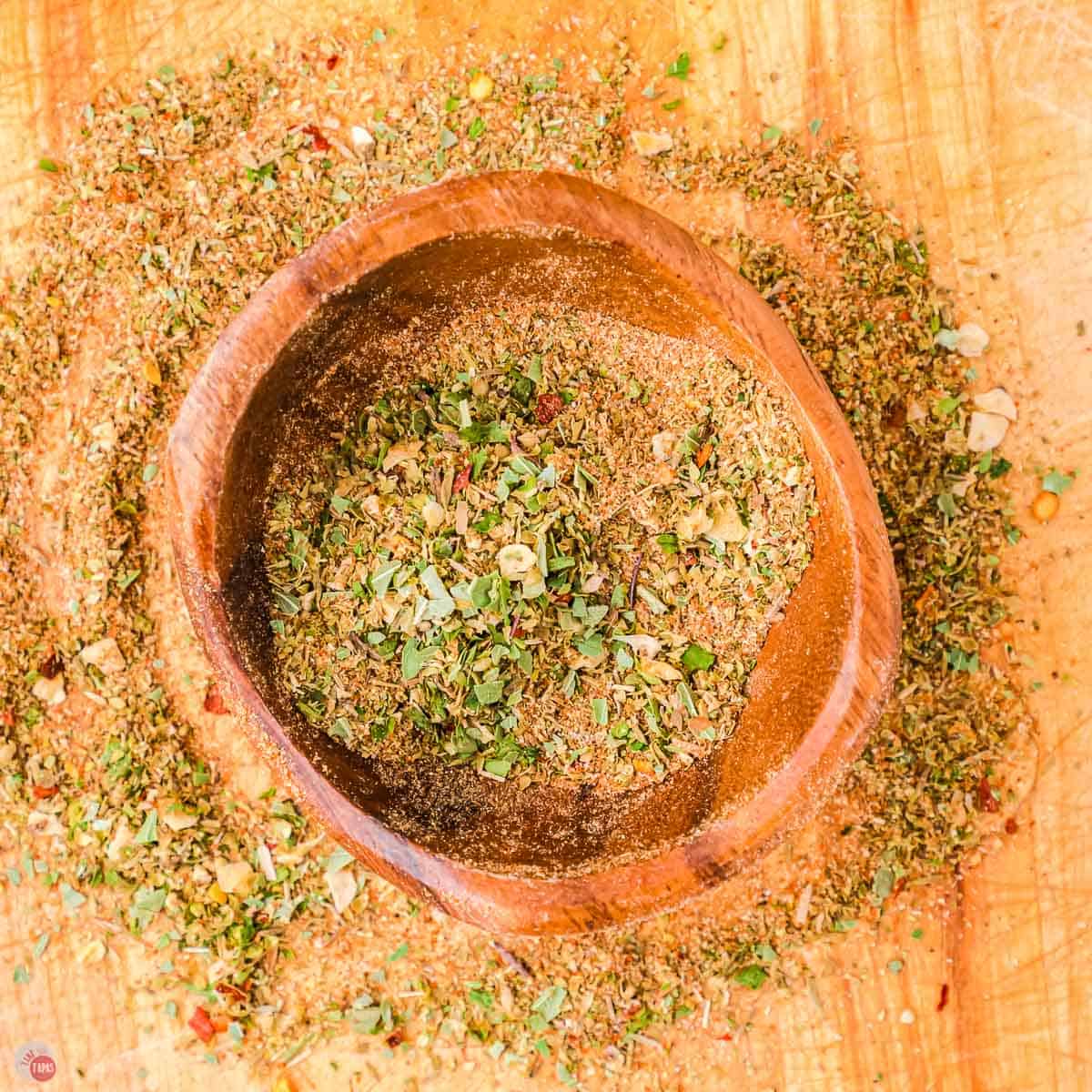
Storage
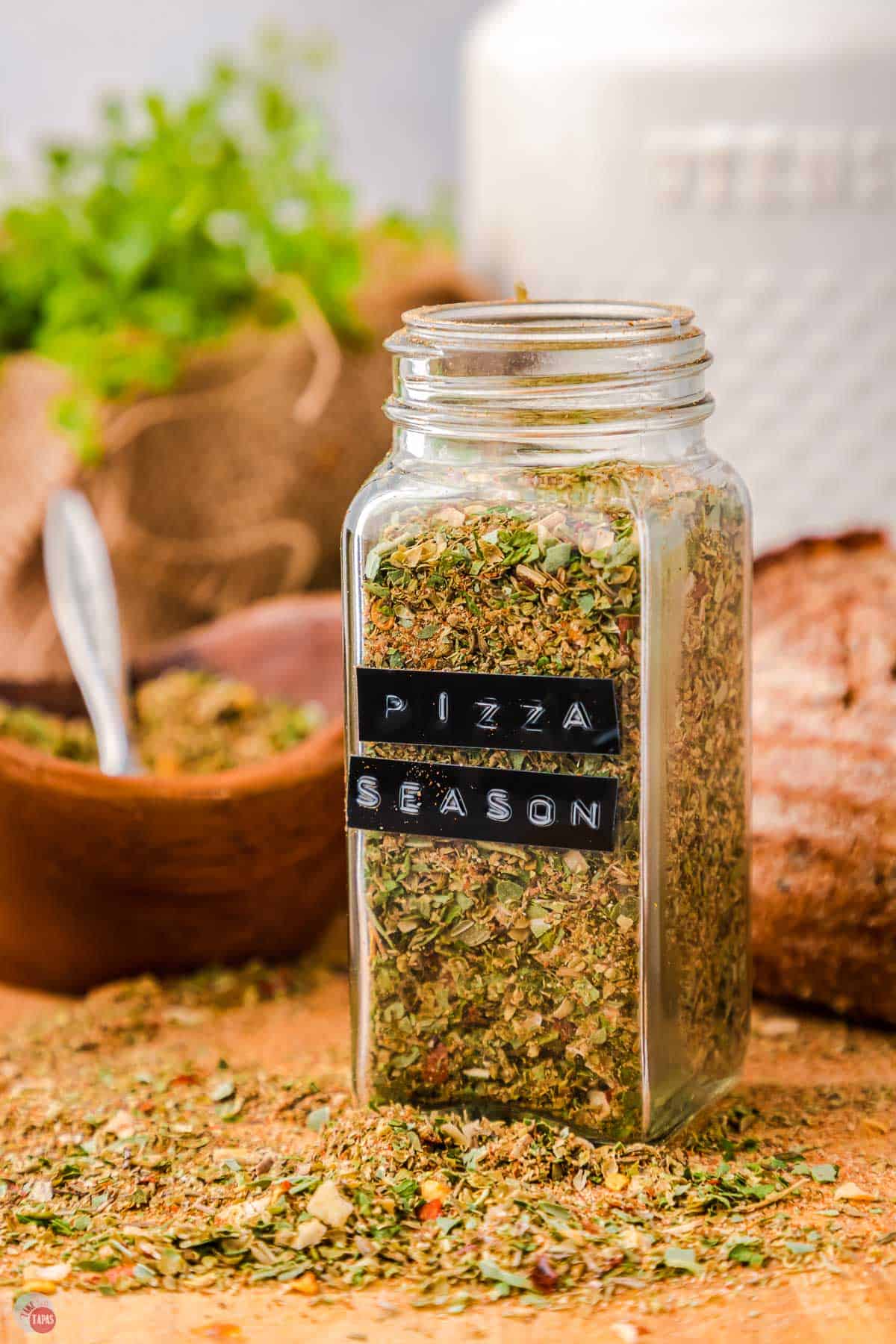
Store your pizza seasoning in a small airtight glass jar in a cool, dry place away from heat and light. Since all the herbs are dried it will keep for up to six months, though with this many uses you will likely go through it well before then.
Glass jars keep the flavor fresher longer than plastic and make it easy to see what you have left.
Variations
Make it saltier – Add a half teaspoon of sea salt to the blend. Some people prefer their seasoning pre-salted so they can use it as a one-scoop solution.
Make it smokier – Swapping regular paprika for smoked paprika. It adds a subtle depth that works especially well on grilled pizza and flatbreads.
Make it milder – Leave out the red pepper flakes entirely. Great if you are making pizza for kids or anyone who doesn’t like spicy foods.
Make it fresh – Double the amounts and using fresh herbs instead of dried. Use immediately rather than storing since fresh herbs do not keep the same way.
Make it a seasoned salt – Combine two tablespoons of the blend with a quarter cup of flaky sea salt. Use it as a finishing salt on pizza, pasta, or garlic bread.
Recipes Using This Pizza Seasoning
Pizza Packets – homemade pizza rolls made with wonton wrappers and filled with all your favorite toppings. This is one of the most popular recipes on the site and the pizza seasoning is what makes the filling taste like the real thing.
Pizza Egg Rolls – the same great pizza flavors wrapped in a crispy egg roll shell. A party appetizer that disappears faster than you expect.
Air Fryer Pizza Bagels – crispy on the outside, melty on the inside, and ready in minutes. The seasoning goes directly on top before air frying for maximum flavor.
Air Fryer Pizza Rolls – faster and crispier than the oven version. A handful of these and a jar of pizza seasoning is all you need for an easy weeknight snack.
Crockpot Pizza Dip – a warm, cheesy slow cooker dip that uses the seasoning to build the sauce base. Serve it with bread, crackers, or pizza crust chips and watch it disappear.
What to Make Alongside It
Garlic Knots – pizza dough tied into knots and coated in a garlic olive oil with Italian seasoning. Swap in your pizza seasoning blend for an even more complex flavor. These do really well for a reason.
Spicy Lasagna Soup – uses Italian seasoning as a base and your pizza seasoning works as a direct substitute. All the flavors of lasagna in a bowl, with a little heat.
Baked Spaghetti Casserole – a hearty, crowd-pleasing pasta bake that benefits from a generous spoonful of this blend stirred into the sauce.
Roasted Garlic Spread on Herb Gourmet Bread – mix the pizza seasoning into softened butter with roasted garlic and spread onto crusty bread before toasting. One of the best things you can do with a loaf of Italian bread.
Frequently Asked Questions
Pizza seasoning is a blend of dried oregano, basil, garlic powder, onion flakes, parsley, thyme, fennel seed, paprika, and crushed red pepper flakes. The fennel seed is what gives it that authentic pizzeria flavor that generic Italian seasoning does not quite replicate.
They are similar but not identical. Italian seasoning is a general herb blend while pizza seasoning is built specifically for pizza — it includes fennel seed, paprika, and red pepper flakes that most Italian seasoning blends leave out. You can substitute one for the other but the flavor will be noticeably different.
Start with one to two teaspoons sprinkled over the dough before adding toppings, and another teaspoon stirred into your sauce. Adjust to taste from there — this blend is flavorful but not overpowering so you can be generous with it.
Absolutely. It works on garlic bread, in pasta sauce, stirred into dipping oil, sprinkled on roasted vegetables, mixed into ground beef or sausage, and anywhere Italian herbs are called for. It is one of the most versatile blends in the spice cabinet.
Up to six months stored in an airtight container in a cool, dry place. After that the herbs start to lose their potency. Make a fresh batch at the start of each season.
Yes, but double the amounts since fresh herbs are less concentrated than dried. Use the blend immediately rather than storing it since fresh herbs do not keep the same way as dried.
Caraway seeds are the closest substitute and work well in the same quantity. If you do not have either, leave it out — the blend will still be good, just missing that authentic pizzeria quality that fennel brings.
Looking for more ways to flavor your favorite meals? Check out our full collection of Homemade Spice Mixes and Seasoning Blends.
Recipe Tips & Tricks
- Use dried onion flakes rather than granulated onion for the best texture.
- Whisk thoroughly before each use since the smaller spices settle to the bottom over time.
- Add sea salt and black pepper directly to the blend if you want a complete one-scoop seasoning.
- Toast the fennel seeds briefly in a dry skillet before adding them to the mix for a deeper flavor.
- Store in glass rather than plastic. The herbs stay fresher longer and the jar looks great on the counter.
This easy pizza seasoning recipe is full of natural flavor and perfect for all your favorite pizza recipes.
If you love this recipe as much as I do, please leave us a ⭐️⭐️⭐️⭐️⭐️ five-star review in the comment section below. Thanks!
Pizza Seasoning Recipe
Equipment
Ingredients
- ¼ cup oregano
- 2 tablespoons basil
- 1 tablespoon dried onion flakes
- 1 tablespoon parsley
- 1 tablespoon garlic powder
- 1 tablespoon thyme
- 2 teaspoons fennel
- 1 tablespoon paprika
- 1 tablespoon red pepper flakes
Instructions
- Mix all ingredients and store until ready to use.
Notes
- Use dried onion flakes rather than granulated onion for the best texture.
- Whisk thoroughly before each use since the smaller spices settle to the bottom over time.
- Add sea salt and black pepper directly to the blend if you want a complete one-scoop seasoning.
- Toast the fennel seeds briefly in a dry skillet before adding them to the mix for a deeper flavor.
- Store in glass rather than plastic. The herbs stay fresher longer and the jar looks great on the counter.
Nutrition

©TakeTwoTapas.com. Content and photographs are copyright protected. Sharing of this recipe is both encouraged and appreciated. Copying and/or pasting full recipes to any social media is strictly prohibited.