Southwest Seasoning Recipe
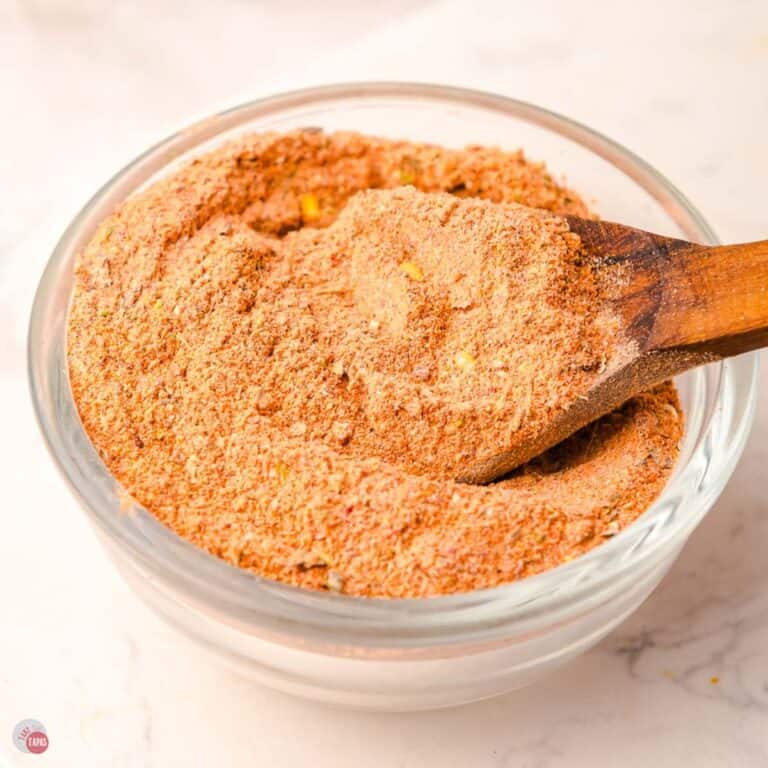
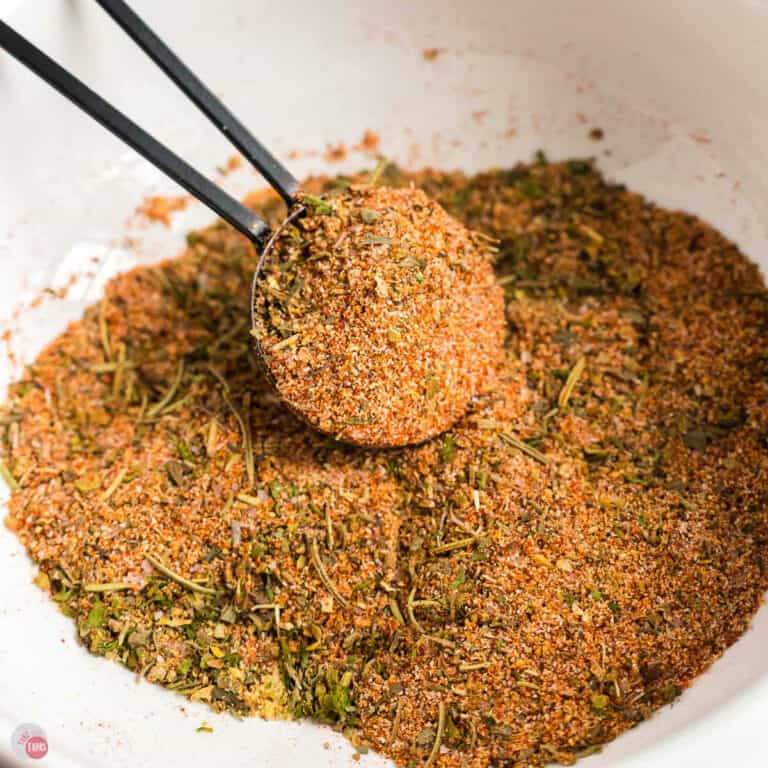
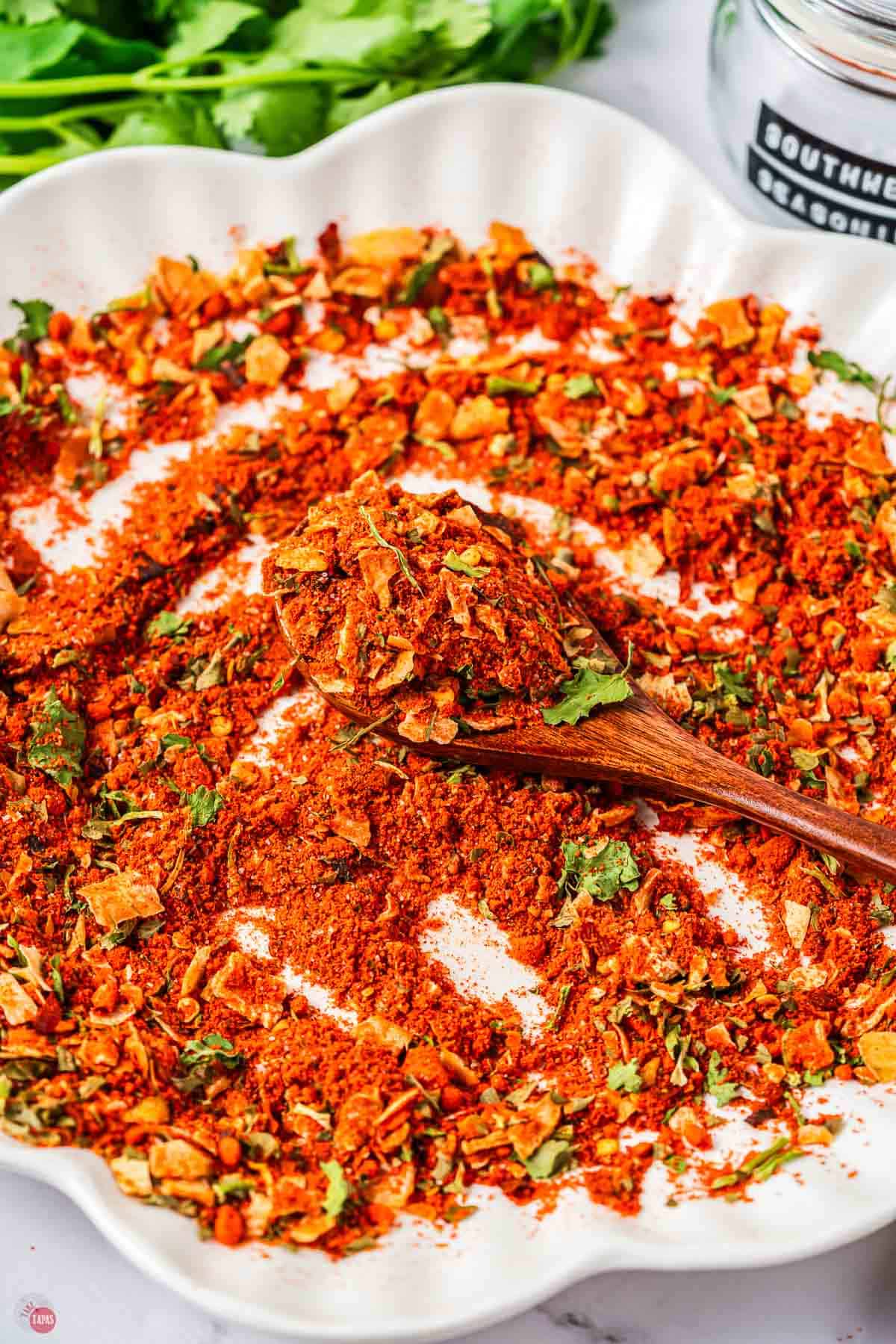
Homemade southwest seasoning is a smoky, earthy spice blend built around ancho chili powder – the ingredient that makes it taste like authentic southwest flavor instead of just another taco seasoning. Mix it together in five minutes with cumin, cayenne, cilantro, and a handful of pantry spices. Use two tablespoons per pound of meat and keep a jar on hand for fajitas, wings, dipping oils, and roasted vegetables. Keeps for six months in an airtight container.
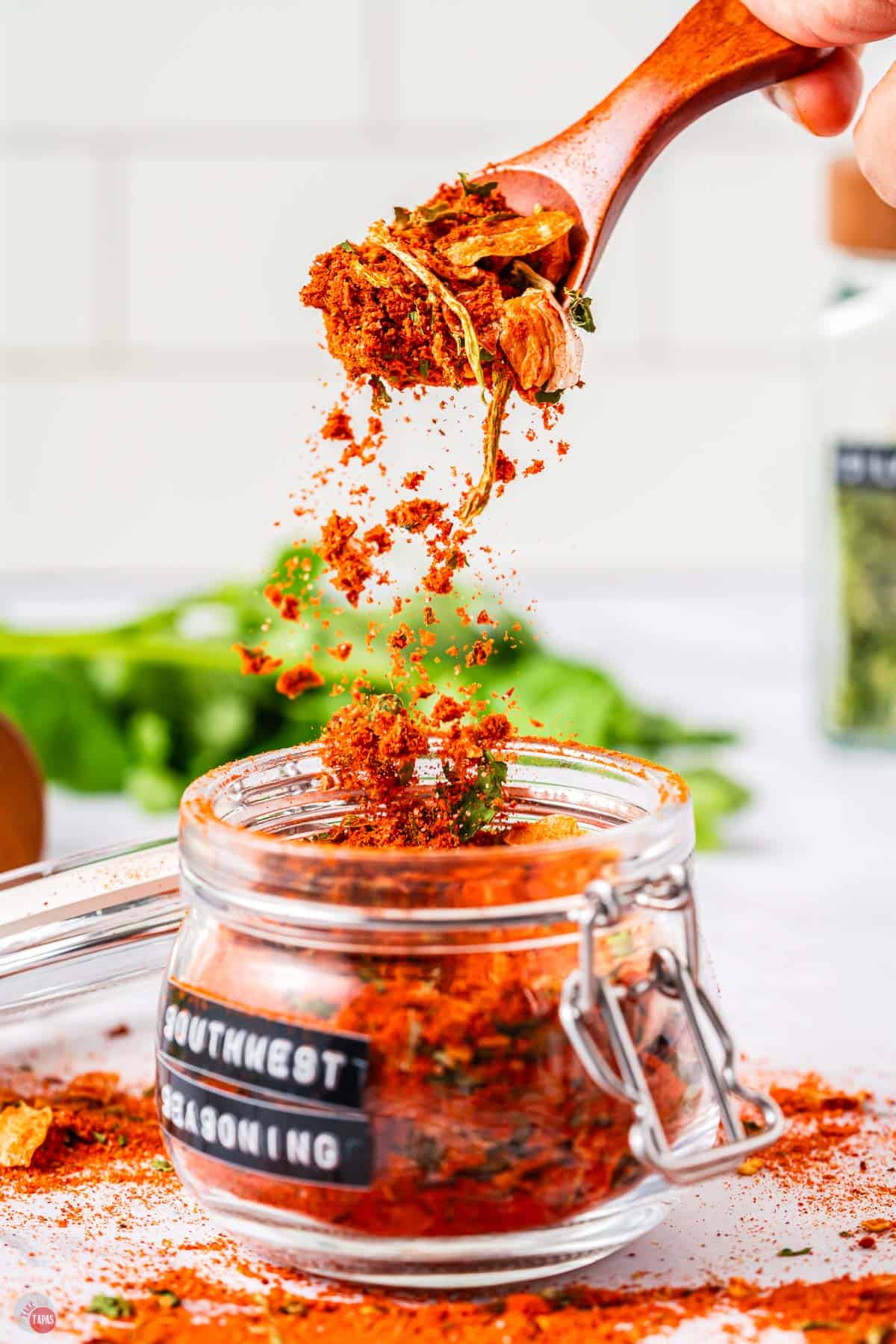
Most store-bought southwest seasonings taste exactly like taco seasoning with a different label. The secret to real southwest flavor is ancho chili powder – dried and roasted poblano peppers ground into a rich, smoky powder that brings a level of depth that regular chili powder just doesn’t have.
Once you taste the difference it is hard to go back. This blend goes into Southwest dipping oil for tortillas, Southwest chicken wings, cowboy soup, and crockpot taco meat. It basically works anywhere you want some southwest flavor without using a lame, generic packet.
The whole blend comes together in five minutes with spices you probably already have, plus the ancho chili powder which is worth tracking down at any Latin grocery store or online.
Make a big batch, store it in a jar, and you will use it constantly. Two tablespoons per pound of meat is the starting point but you will find yourself adding it to everything from roasted vegetables to salad dressings once you have a jar of it in the cabinet.
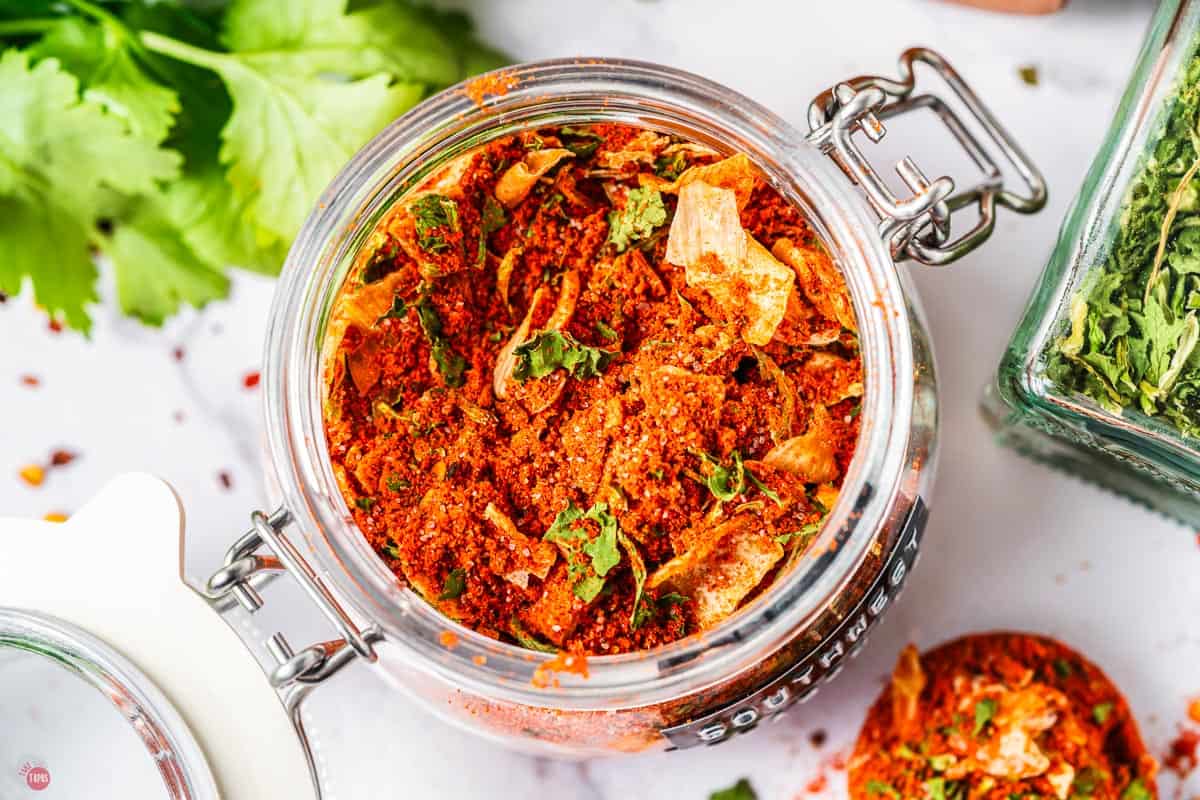
What Makes This Southwest Seasoning Different?
Most southwest seasoning blends use regular chili powder, which is itself a blend of multiple chiles and spices. That is why so many of them end up tasting like taco seasoning – the base ingredient is nearly identical.
Ancho chili powder is pure ground ancho chiles and nothing else. It has a deep, fruity, slightly smoky flavor that is distinctly southwest rather than Tex-Mex. It is the difference between something that tastes like a seasoning packet and something that tastes like it came from a restaurant that actually knows what it’s doing.
This post may contain affiliate links. As an Amazon Associate, I earn from qualifying purchases at no additional cost to you. Read my disclosure policy.
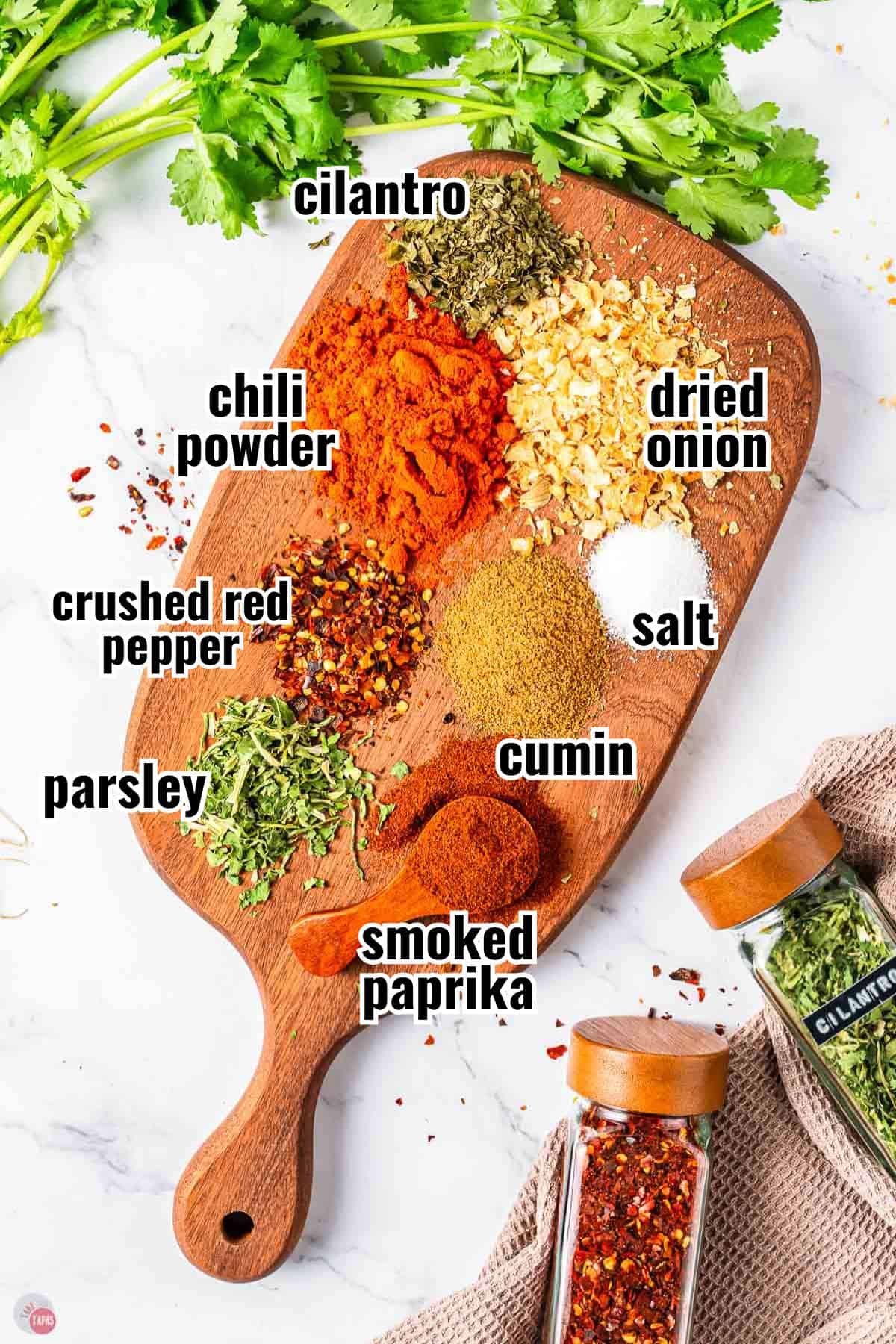
See recipe card for complete information on ingredients and their quantities.
Ingredient Notes
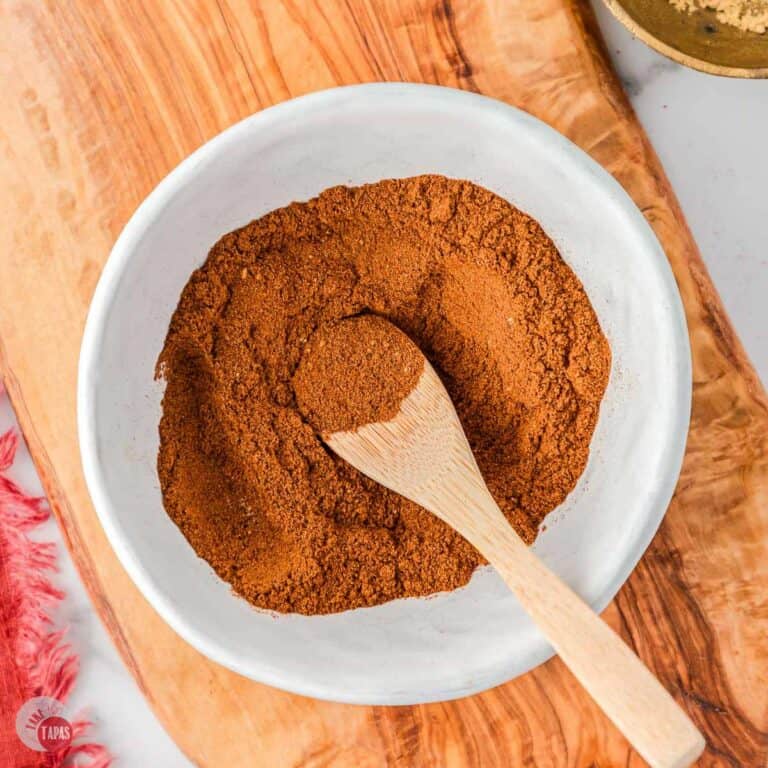
Ancho chili powder – the hero ingredient and the reason this blend tastes like authentic southwest flavor. Ancho chiles are dried and roasted poblano peppers ground into a pure powder. Find it at any Latin grocery store, in the international aisle of most large supermarkets, or online. Do not substitute regular chili powder – it completely changes the flavor profile. If you want extra smokiness, replace half the ancho chili powder with chipotle powder.
Cumin – warm, earthy, and essential to southwest cooking. It works with the ancho chili powder to build the smoky base of the blend. Use freshly opened cumin if you can – it loses its potency faster than most spices.
Cayenne pepper – pure heat with no additional flavor. Start with the amount in the recipe and adjust up if you want more kick. A little goes a long way!
Red pepper flakes – adds a different kind of heat than cayenne, slightly more complex and more like peppers and not just hot. Using both gives the blend layers of heat rather than a single flat burn.
Cilantro – dried cilantro adds a mild herb flavor that rounds out the other spices. If you are one of those people for whom cilantro tastes like soap, leave it out – the blend holds up fine without it.
Minced onion flakes – use the larger dehydrated flakes rather than onion powder for texture. They add a slightly sweet flavor and make the mix feel more natural and not store-bought.
Parsley – a mild background herb that adds a little color and softens the spicier edges of the blend.
Salt – balances everything and helps the seasoning get in the meat when used as a rub. Adjust the amount how you like or leave it out entirely if you want to control salt separately in each recipe.
For more insider tips, tricks, and a behind the scenes look, follow me on Pinterest, Facebook, Instagram, & X.
How To Make Southwest Seasoning
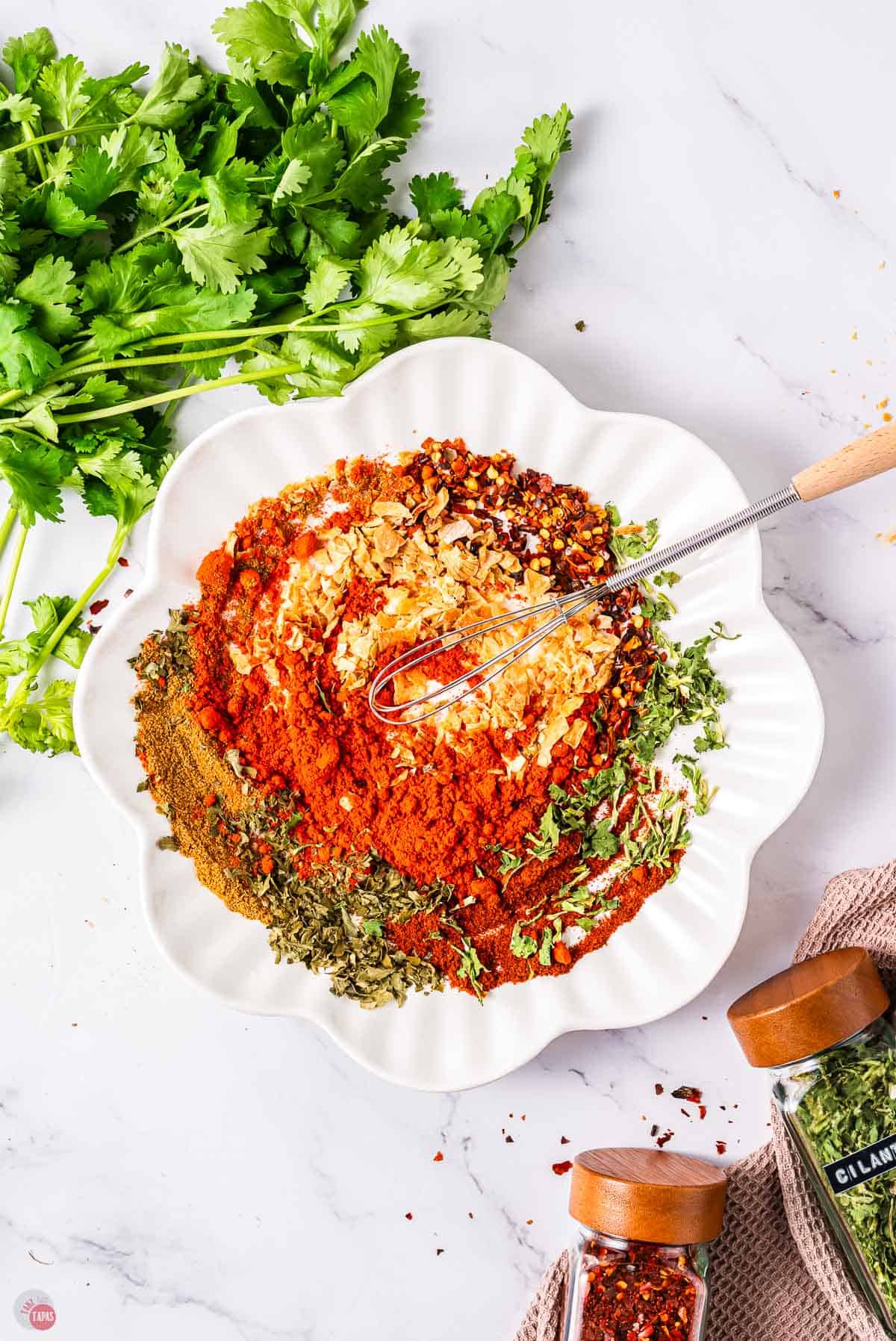
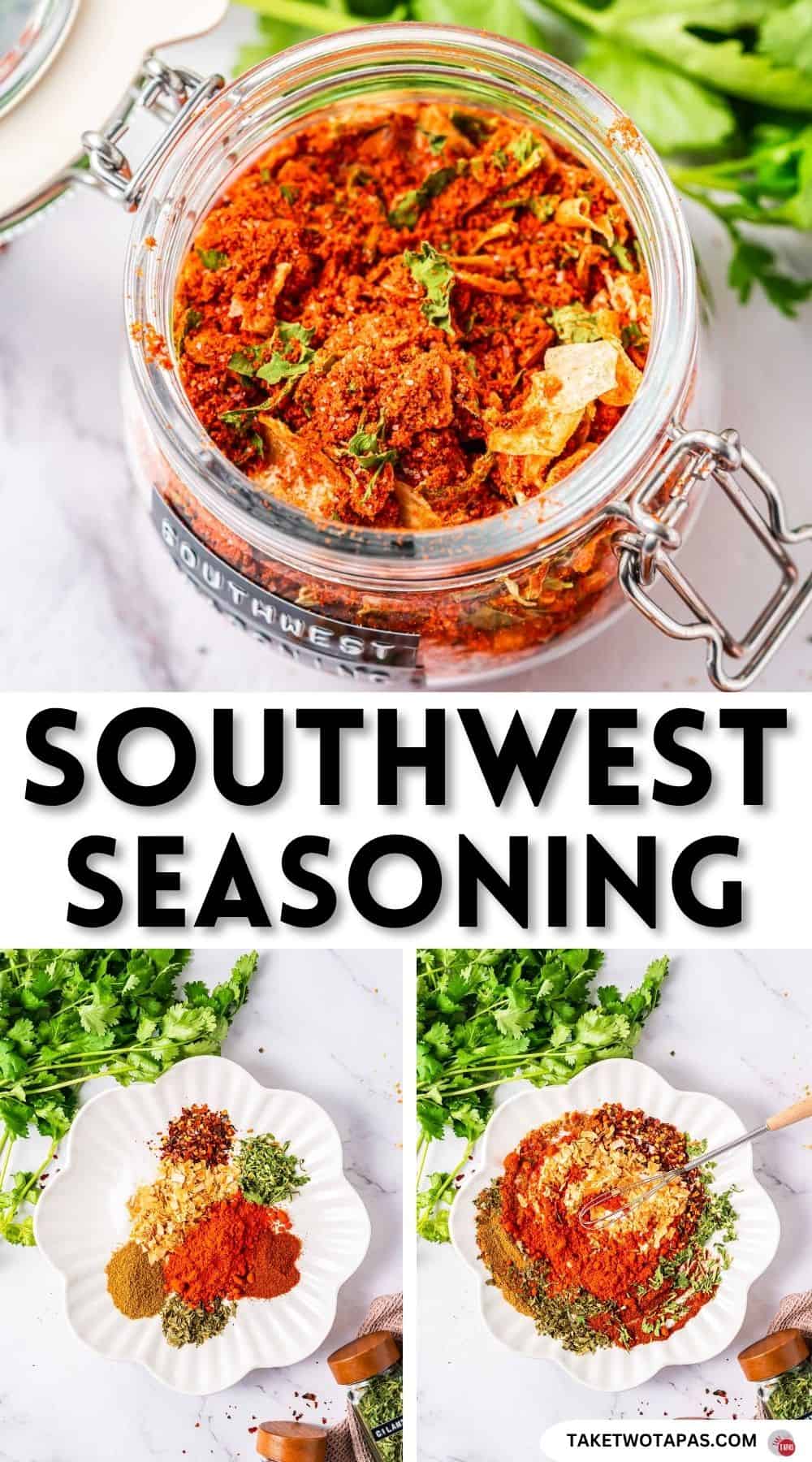
- Measure all spices into a medium bowl or directly into a jar with a tight fitting lid. Whisk or shake to combine thoroughly.
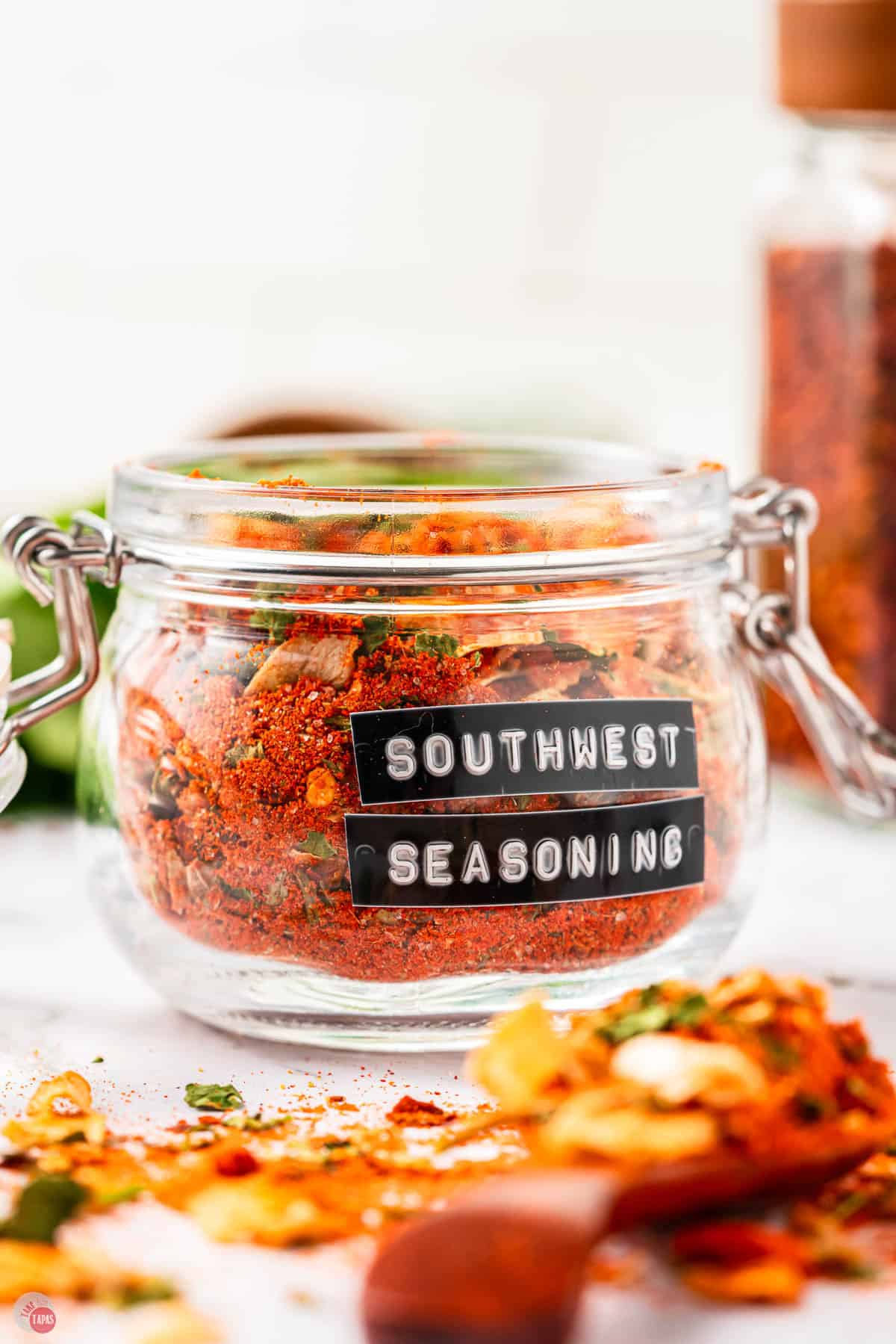
- Store in an airtight container in a cool, dark, dry place until ready to use.
For the full recipe and detailed instructions, please refer to the recipe card at the bottom of the post.
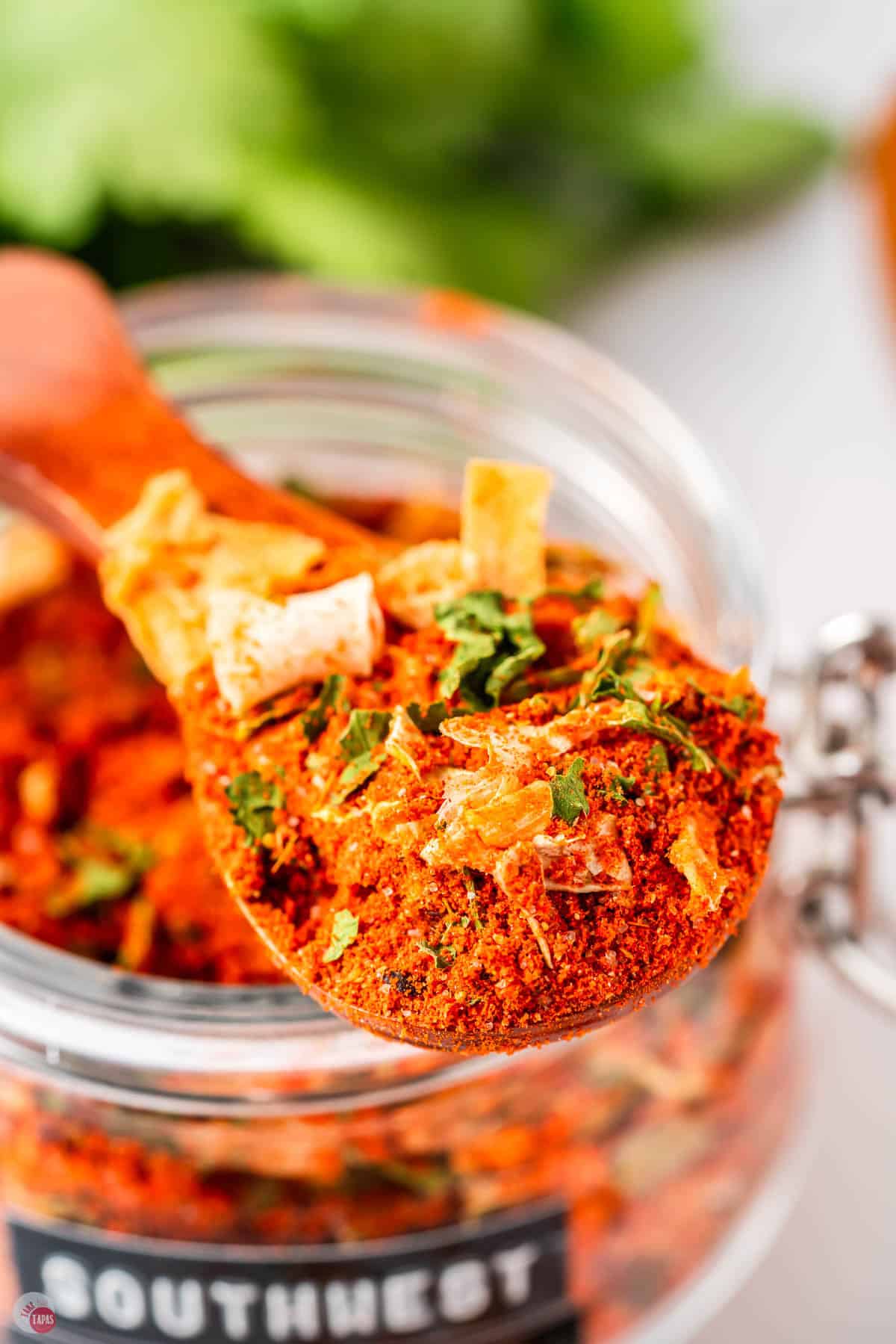
How to Use Southwest Seasoning Recipe
As a meat rub: Use two tablespoons per pound of meat. Apply the seasoning about 30 minutes before cooking and let it sit so the spices can sink in and the flavors develop. Works on chicken, beef, pork, and shrimp.
In tacos and fajitas: Use in place of taco seasoning for a smokier, more complex flavor. The ancho chili powder makes a noticeable difference in fajita meat specifically.
In soups and stews: Stir a tablespoon or two directly into the pot. It builds depth into anything with a broth base and works especially well in cowboy-style soups and chilis.
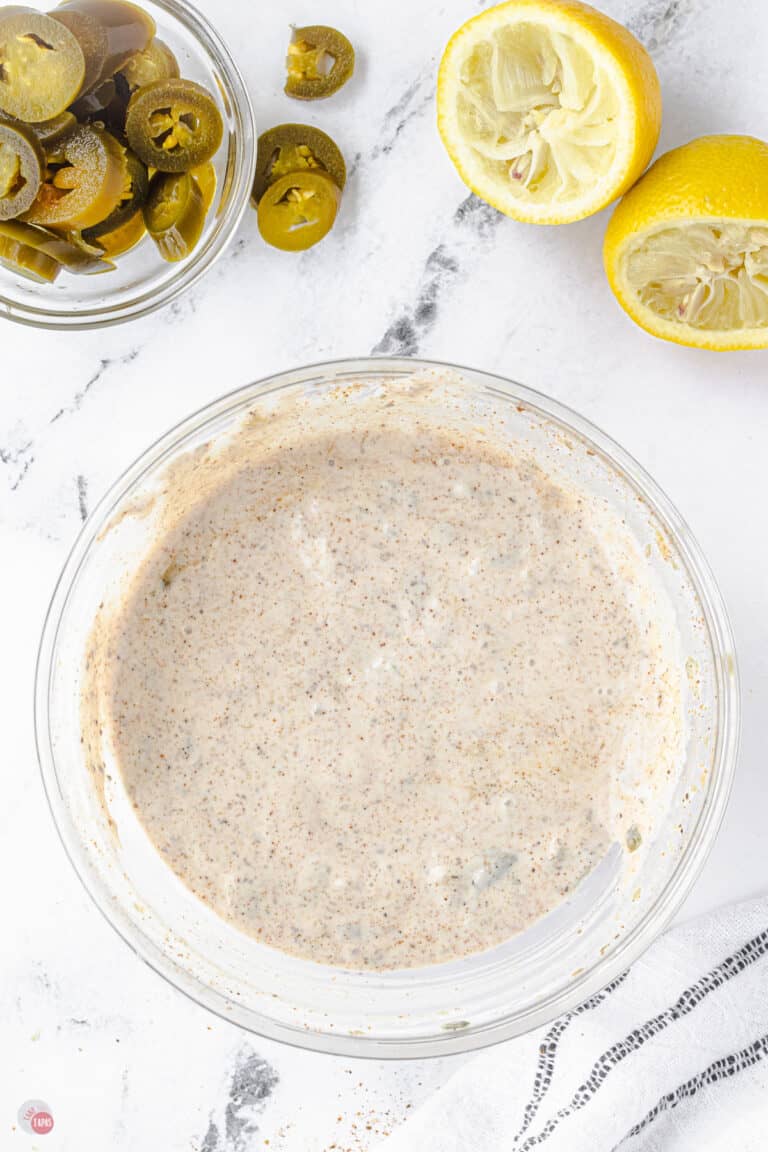
As a dipping oil: Stir into olive oil with a splash of lime juice for a dipping oil that works with warm tortillas, crusty bread, or pita. One of the best and most underrated uses of this blend.
On roasted vegetables: Toss vegetables in olive oil and a generous sprinkle of this blend before roasting. Corn, sweet potatoes, zucchini, and bell peppers are especially good.
In salad dressing: Whisk a teaspoon into olive oil and lime juice for an instant southwest vinaigrette. Great on grain bowls and taco salads.
Tip: Rub the seasoning between your fingers before adding it to a dish. This releases the oils in the dried spices and activates more flavor before it even hits the pan.
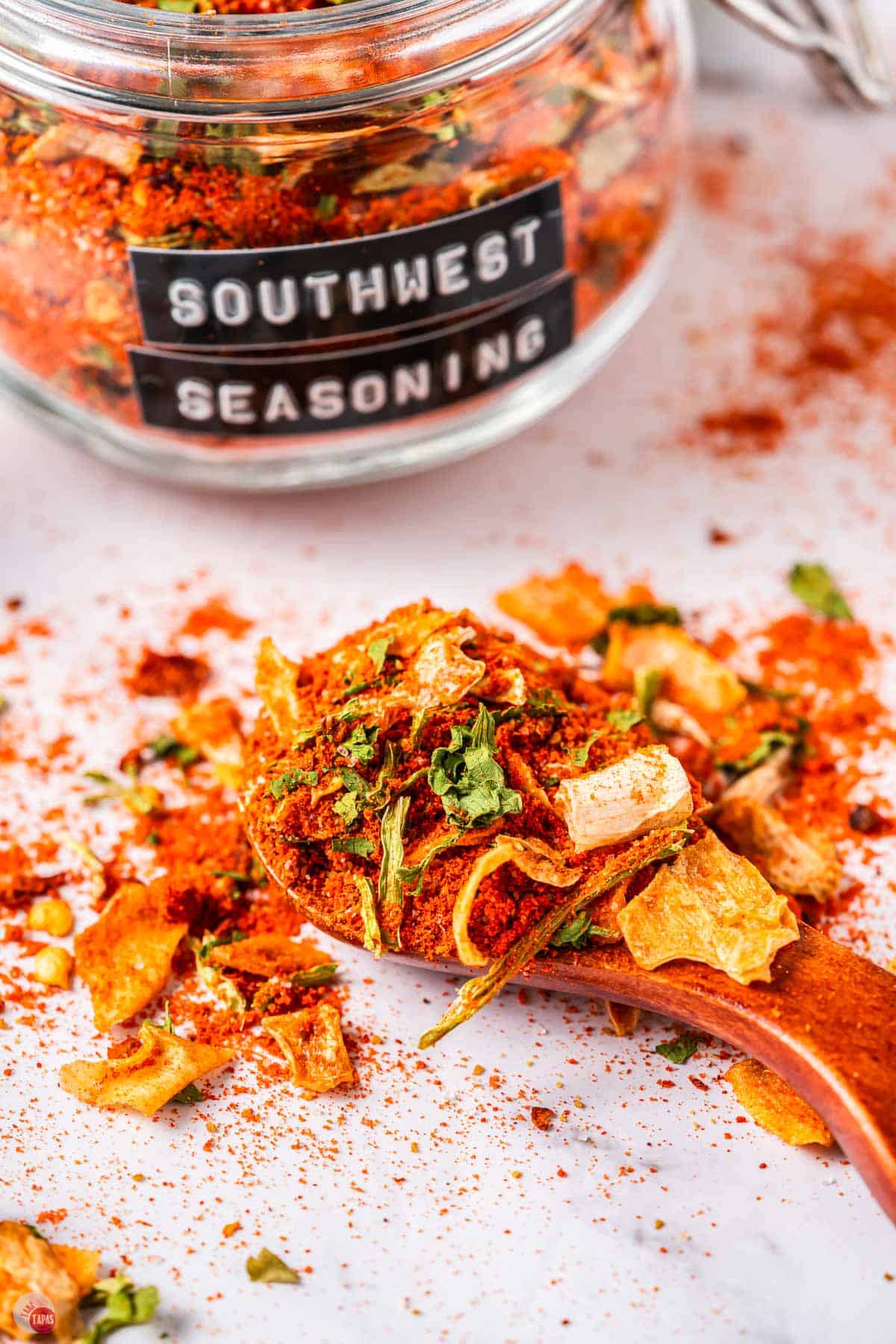
Storage
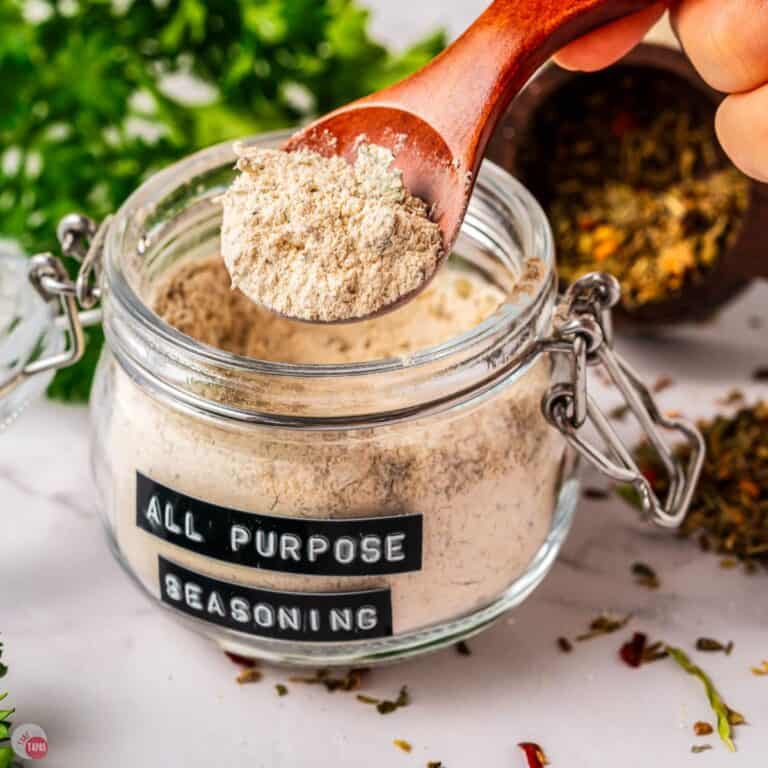
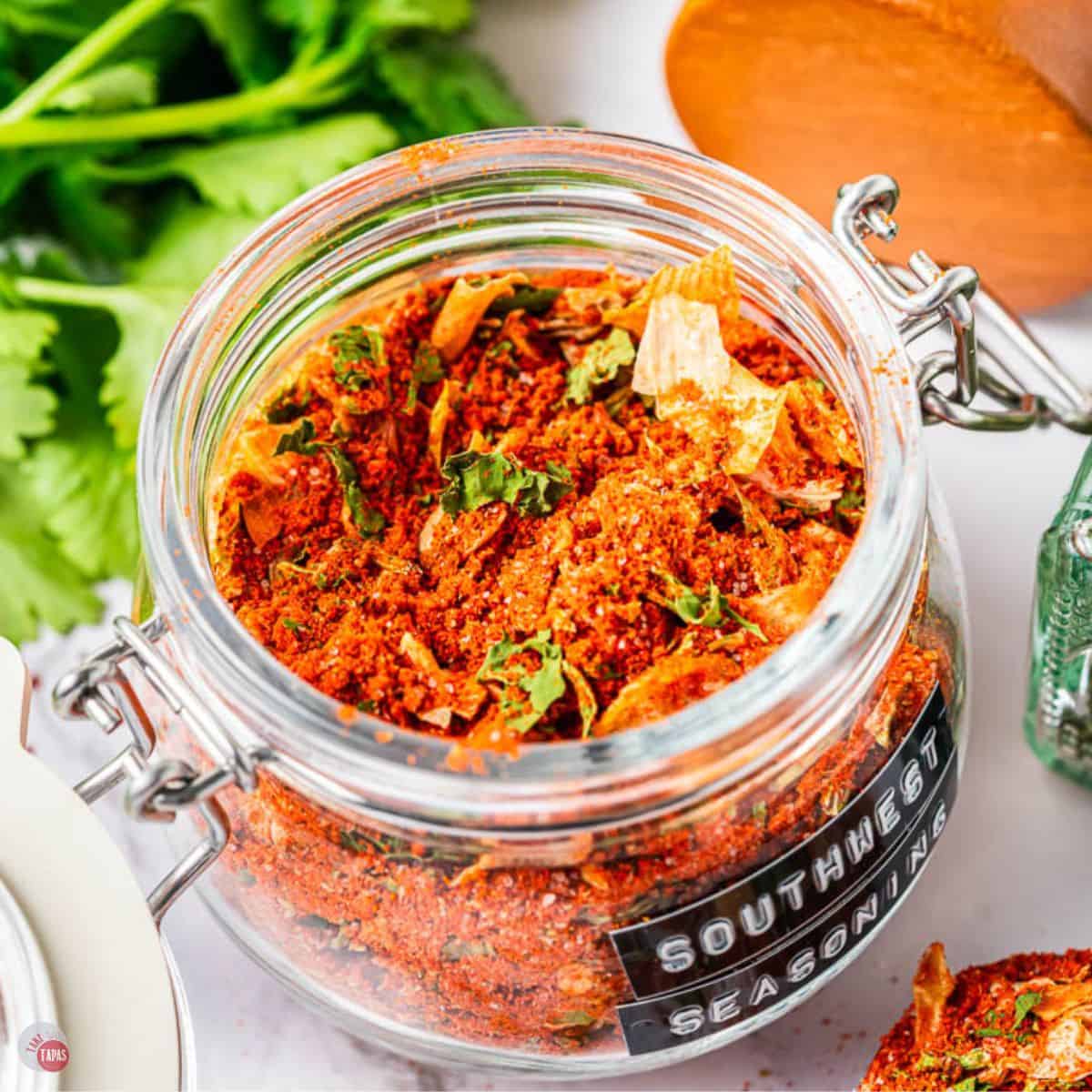
Store your southwest seasoning in an airtight container in a cool, dark, dry place. It will keep for up to six months. Glass jars work best and keep the spices fresher longer than plastic.
Label with the date so you know when to make a fresh batch. The cayenne and red pepper will lose their heat first so if the blend starts tasting flat, it is time for a new jar.
Variations
Make it smokier – replace half the ancho chili powder with chipotle powder for a deeper, more intense smokiness. Chipotle powder is made from smoked dried jalapeños and adds a barbecue-like quality that is excellent on grilled meats.
Make it milder – reduce the cayenne to a pinch and cut the red pepper flakes in half. The ancho chili powder has very little heat on its own so the blend stays flavorful without the burn.
Make it salt free – leave the salt out entirely and season your dish separately. This gives you more control, especially when using it in soups and roasts where the liquid reduces and concentrates the salt.
Make it a wet rub – mix two tablespoons of the blend with a tablespoon of olive oil and a squeeze of lime juice. Apply directly to meat and let it marinate for at least 30 minutes before cooking. The acid in the lime helps the spices penetrate deeper.
Add smoked paprika – a teaspoon of smoked paprika alongside the ancho chili powder adds another layer of smokiness without overpowering the other spices.
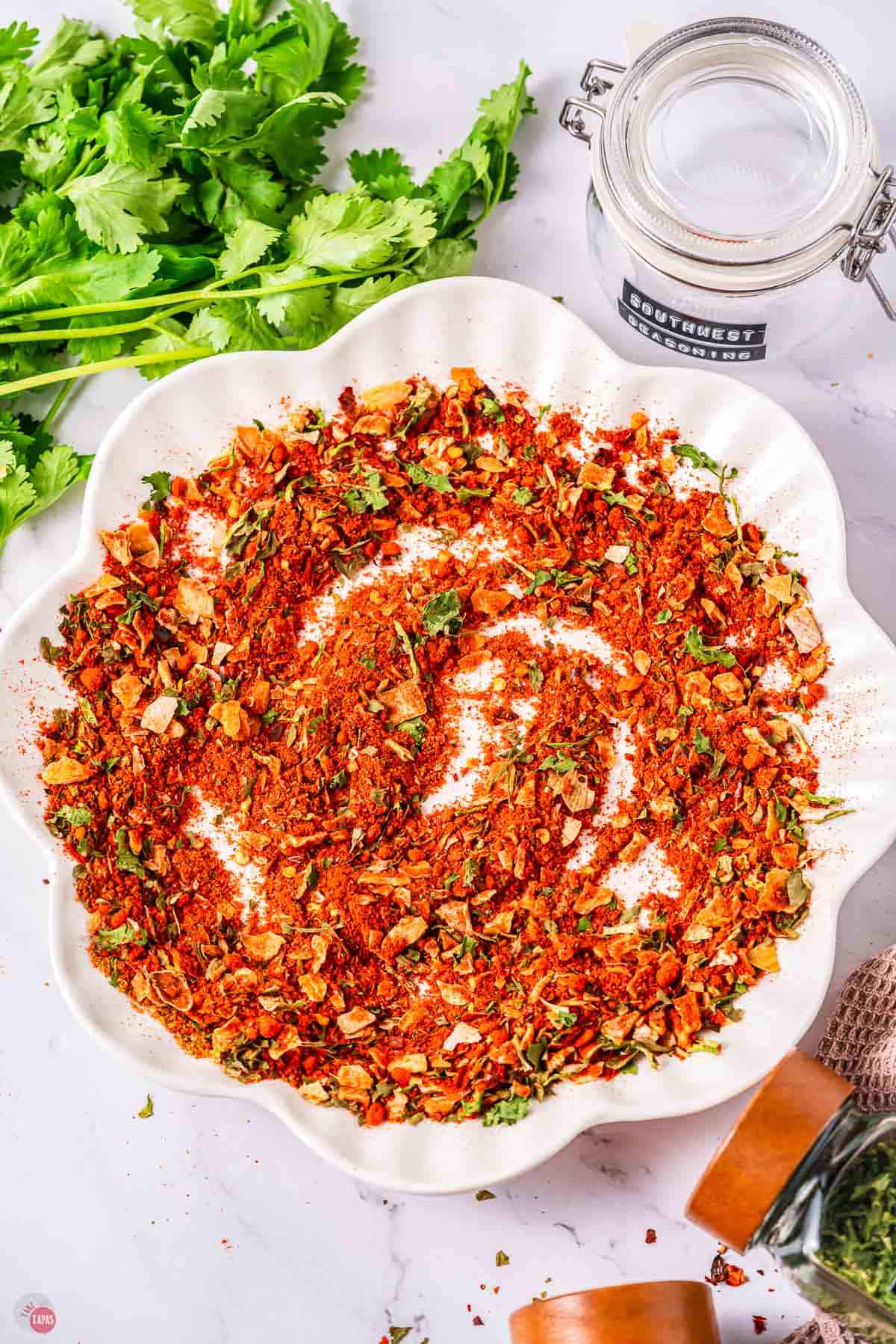
Recipes Using This Southwest Seasoning
Southwest Dipping Oil – olive oil infused with this blend and served with warm tortillas for dipping. This is one of my favorite ways to use it and something different than Italian bread and balsamic vinegar.
Southwest Spiced Chicken Wings – crispy baked wings coated in this blend before cooking. The ancho chili powder caramelizes beautifully on the skin and gives the wings a deep, smoky color and flavor.
Spiced Pepitas – toasted pumpkin seeds seasoned with this mix for a crunchy, addictive snack that works on its own or as a salad topper. The southwest seasoning gives them a smoky kick that plain salted pepitas cannot match.
Cowboy Soup – a hearty, one-pot soup that uses individual spices in the base. Swap those out for two tablespoons of this blend for an easier, more flavorful version. It is the shortcut the recipe was built for.
Crockpot Taco Meat – slow cooker taco meat that gets even better with this blend instead of standard taco seasoning. The ancho chili powder adds a smokiness that makes the meat taste like it came from a taco truck.
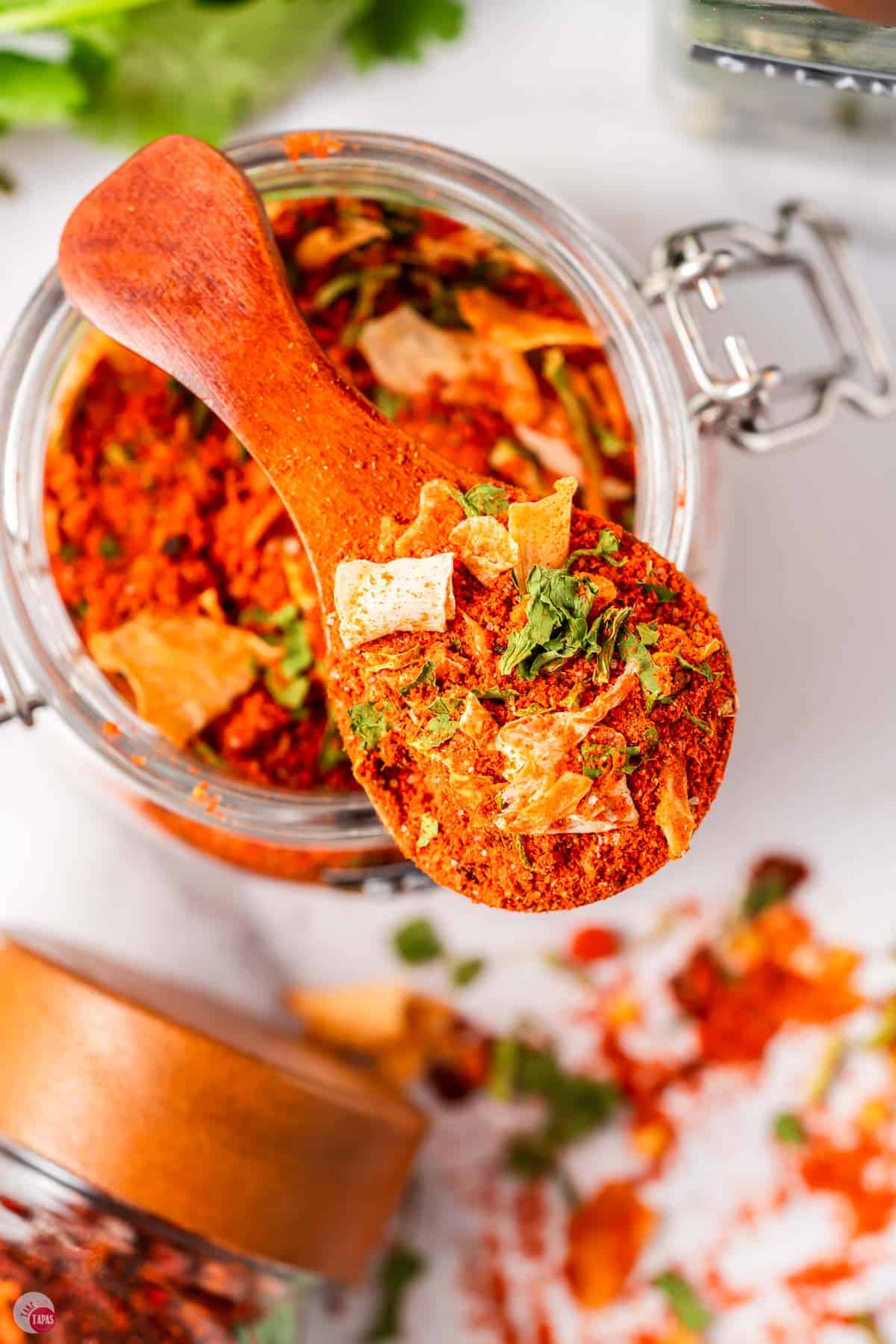
What to Make With It
Cowboy Sliders – built on taco seasoning in the original recipe but this southwest blend works as a great swap for a smokier flavor.
7 Layer Taco Dip – use it to season the ground beef layer or stir in the sour cream layer for an extra flavor boost that makes the whole dip taste better.
Texas Trash Dip — a warm, cheesy crowd-pleasing dip that gets a boost from the smoky flavors in the mix. Use it anywhere the recipe calls for taco seasoning.
Mexican Cheese Ball — roll it in a coating that includes this southwest seasoning for a smoky, spiced crust that is way more interesting than plain herbs.
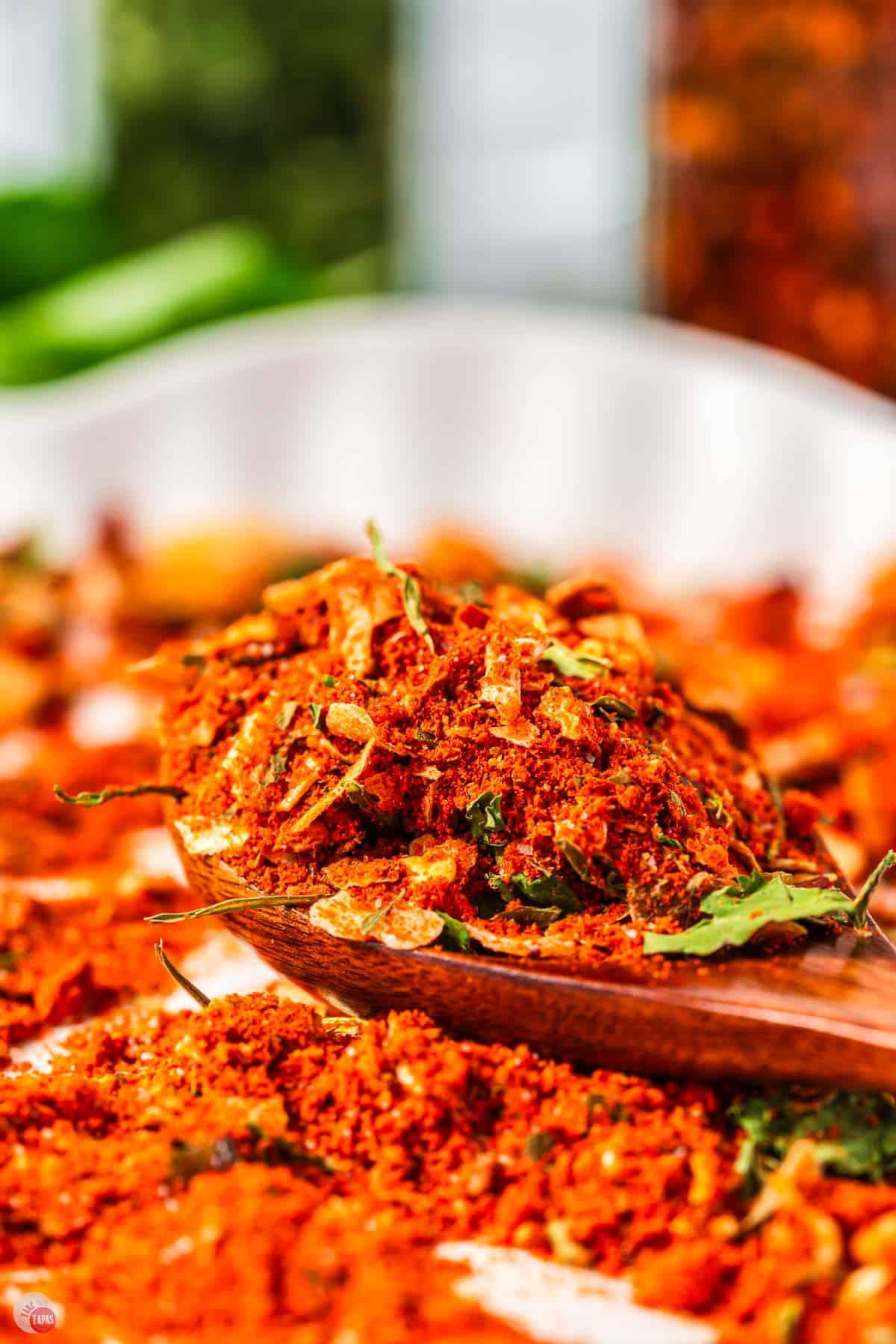
Frequently Asked Questions
Ancho chili powder is pure ground ancho chiles – dried and roasted poblano peppers. Unlike regular chili powder, which is a blend of multiple chiles and spices, ancho chili powder is a single ingredient with a deep, fruity, slightly smoky flavor. Find it at Latin grocery stores, in the international aisle of most large supermarkets, or order it online. It is worth seeking out specifically for this recipe.
Taco seasoning is built on regular chili powder, cumin, and garlic and is a more straightforward Tex-Mex flavor. Southwest seasoning uses ancho chili powder as the base which gives it a smokier, earthier, more complex flavor. They are not interchangeable – southwest seasoning has more depth and a different heat profile than taco seasoning.
Smoky, earthy, and slightly spicy with a more complex flavor that comes from the ancho chili powder base. It has more depth than taco seasoning and a slower, more layered heat from the combination of cayenne and red pepper flakes.
You can but the flavor will be significantly different – closer to taco seasoning than authentic southwest flavor. If you cannot find ancho chili powder, substitute half regular chili powder and half smoked paprika to get closer to the right flavor profile.
Chipotle powder is made from smoked dried jalapeños and has a deeper, more intense smoky flavor than ancho chili powder. You can replace half the ancho chili powder with chipotle powder if you want extra smokiness, but using it as a full substitute will make the blend significantly hotter and smokier than the original.
Start with two tablespoons per pound and adjust from there. Apply it about 30 minutes before cooking so the spices have time to penetrate the meat. You can always add more after tasting but you cannot take it away so start with two tablespoons and go from there.
Up to six months stored in an airtight container in a cool, dark, dry place. The cayenne and red pepper flakes tend to lose their heat first. If the blend starts tasting flat before the six months are up, make a fresh batch.
Looking for more ways to flavor your favorite meals? Check out our full collection of Homemade Spice Mixes and Seasoning Blends.
Recipe Tips & Tricks
- Always use the freshest spices you can find – dried spices lose their potency over time and old cumin and cayenne will make the whole blend taste flat.
- Rub the seasoning between your fingers before adding it to a dish to release the oils and activate more flavor.
- Track down the ancho chili powder – it is the one ingredient worth a special trip and it makes a difference you can taste immediately.
- Store in glass rather than plastic for fresher flavor and a longer shelf life.
- Make a double batch while you are at it since this blend disappears fast once you start cooking with it regularly.
This homemade Southwest seasoning recipe is perfect for all sorts of dishes but my fave is fajitas. Grab this recipe and spice up your next meal!
If you love this recipe as much as I do, please leave us a ⭐️⭐️⭐️⭐️⭐️ five-star review in the comment section below. Thanks!
Southwest Seasoning
Equipment
- Wooden Serving Tray Shiplap & Distressed
Ingredients
- 4 tablespoons parsley
- 4 tablespoons minced dried onion
- 4 tablespoons ancho chili powder
- 4 teaspoons cumin
- 2 teaspoons salt
- 2 teaspoons crushed red pepper
- 4 teaspoons dried cilantro
- 2 teaspoons cayenne pepper
Instructions
- Combine all ingredients and store in an airtight container in a cool dark place.
- Use as needed. (I like to use 2 tablespoons per pound of meat/veggies)
Notes
- Always use the freshest spices you can find – dried spices lose their potency over time and old cumin and cayenne will make the whole blend taste flat.
- Rub the seasoning between your fingers before adding it to a dish to release the oils and activate more flavor.
- Track down the ancho chili powder – it is the one ingredient worth a special trip and it makes a difference you can taste immediately.
- Store in glass rather than plastic for fresher flavor and a longer shelf life.
- Make a double batch while you are at it since this blend disappears fast once you start cooking with it regularly.
Nutrition
{Originally published 05/19/20 – photos and recipe notes updated 04/28/26}
©TakeTwoTapas.com. Content and photographs are copyright protected. Sharing of this recipe is both encouraged and appreciated. Copying and/or pasting full recipes to any social media is strictly prohibited.